

 en | USD
 CHAT WITH GODLIKE TEAM


15 Hytale Systems You’ll Feel in Every Adventure

- 10 min read
- 3195 views
- 0 likes
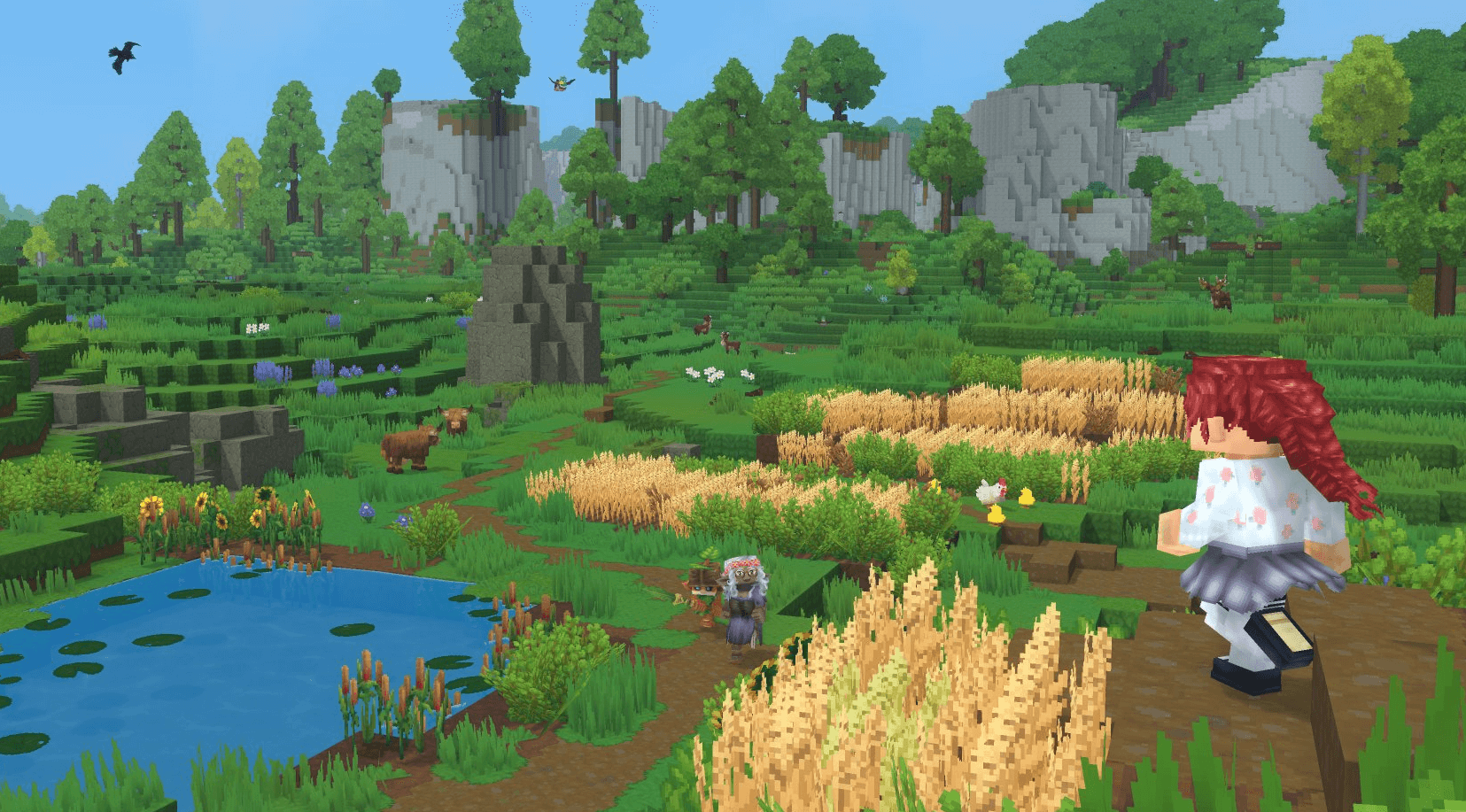
Hytale looks like a sandbox adventure game you can sink a decade into. But the real reason the hype never fully died isn’t only the art style or the Minecraft meets RPG pitch. It’s the systems underneath.
Since the announcement trailer, the Hytale team has been releasing development details over time through official posts, comments, and updates. Players have dissected every announcement on Twitter, debated what’s real, what’s wrong, and what’s just wishful thinking.
Hytale’s timeline also explains the nerves around launch day. Riot Games ended development on June 23, 2025, and Hypixel Studios began winding down. In November 2025, original co-founder Simon Collins-Laflamme reacquired the rights and restarted development with a rehired team. The project lost years to scope growth and major technical pivots, so the current plan is simple: ship Early Access, collect real feedback, and iterate fast.
Pricing tiers
Hytale launches with three purchase tiers. The Standard Edition is $19.99 and is positioned as the main way in. Supporter is $34.99, and Cursebreaker (Founder’s) is $69.99. The higher tiers are designed to support development and add cosmetic sets and capes, not gameplay advantages, so server balance stays clean from day one.
To play, you create a Hytale account and register a username through the official website. Username reservation opened ahead of the Early Access window so players could lock in identities early, which matters a lot for server communities, creators, and long-running clans. If you are planning a dedicated server for a group, it is worth sorting this step before launch day traffic hits.
Over the years, every official post has been read like a signal about scope and release, which is why the community overanalyzes even small updates. That matters because on day one, multiplayer servers will put every system under real pressure.
Early access is the moment all of that turns into actual gameplay. Whether you plan to pre‑purchase, reserve a username for your account, or just wait for the Steam page to go live, the real question is simple: what kind of game is Hytale once it’s playable on PC with real players on real servers?
Below are 15 Hytale systems that change how the world feels, how combat plays, and why multiplayer servers will behave differently from just another block game.
A lot of these systems are only possible when the engine is built for them from the start. Hytale is presented as a new engine with tooling and scripting as first-class features, rather than a legacy engine retrofitted over years. That distinction matters for server performance, modding depth, and how far the final scope can realistically go. Cross platform support is also part of the broader expectations players bring into early access, because it affects who can join, how communities form, and how servers handle peaks.
A key reason the schedule slipped was the engine work. The team originally built the client and server on different tech stacks, then later rebooted development to move both to C++. That kind of rewrite does not just change performance, it resets pipelines, tools, workflows, and iteration speed. It is one of the clearest examples of how Hytale’s scope grew faster than its release window.
1) Blocks aren’t just blocks. They have states.
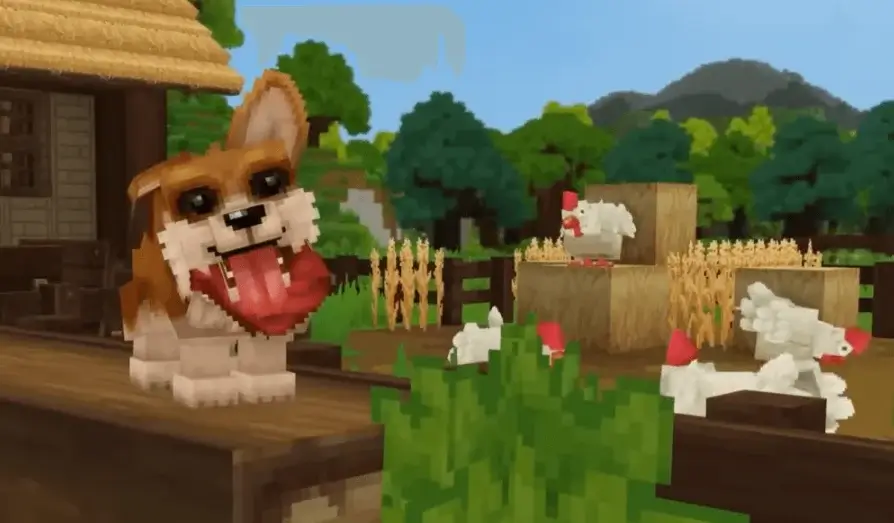
In Hytale, a block isn’t only a texture you mine. Blocks can have internal states, react to temperature, and respond to nearby entities. Some blocks can be scripted individually, which turns the world into a living system instead of a static page of chunks.
Why it matters: once blocks can react, every base, dungeon, and biome can become interactive. It also means custom content can add smart blocks without rewriting the whole engine.
2) Crafting is context‑aware, not a fixed recipe list
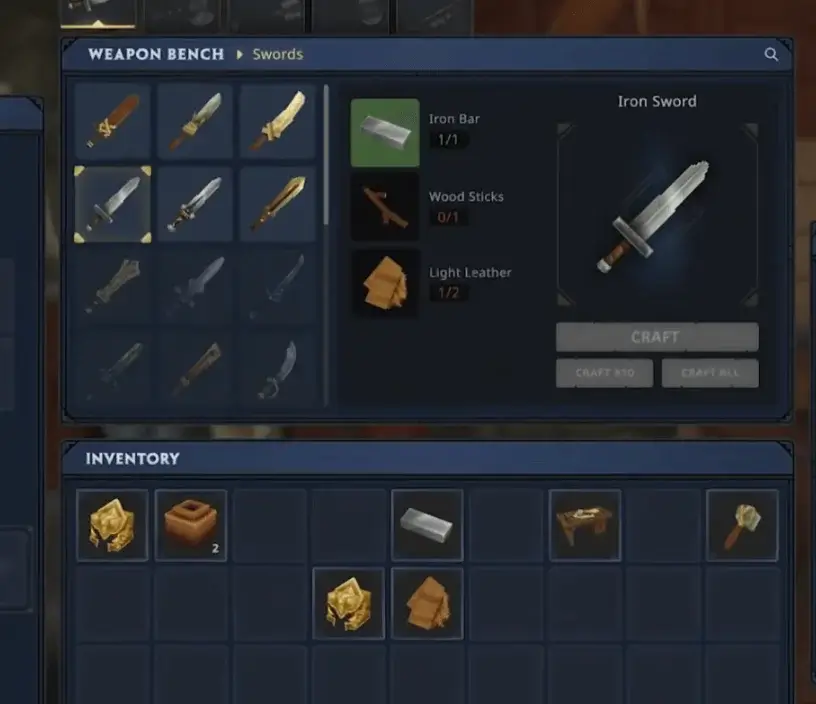
Crafting in Hytale isn’t only put X and Y on a grid. Results can depend on tool quality, environment, nearby structures, and progression. The same ingredients can produce different outcomes depending on where and how you craft.
Why it matters: this creates real trade and specialization on a server. Different zones or cities can become known for specific items, and players can build economies around crafting advantages.
3) Tools have functional differences, not just bigger numbers
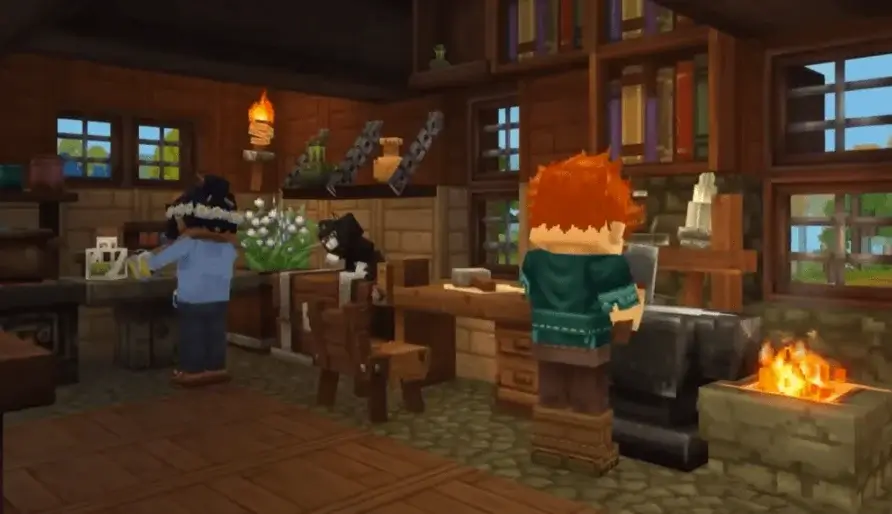
A better tool isn’t always just faster. In Hytale, tools can differ by function and behavior. One might be quicker but sloppy, another slower but controlled.
Why it matters: players make choices based on playstyle. It also gives modding support a clean foundation, because new tools can be meaningful without power creep.
4) Combat uses directional hits, not simple click‑to‑damage
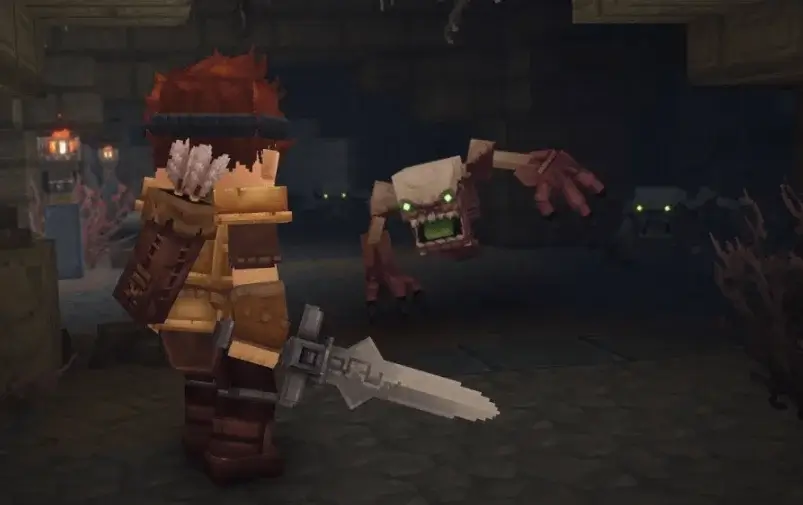
Hytale combat is built around where you swing and what you actually connect with. Hitboxes and arcs matter. Facing matters. Positioning matters.
Why it matters: in early access, this will separate I have good gear from I know how to fight. It’s also the kind of system that becomes unforgettable in PvP and boss fights.
5) Enemy AI runs on intent states
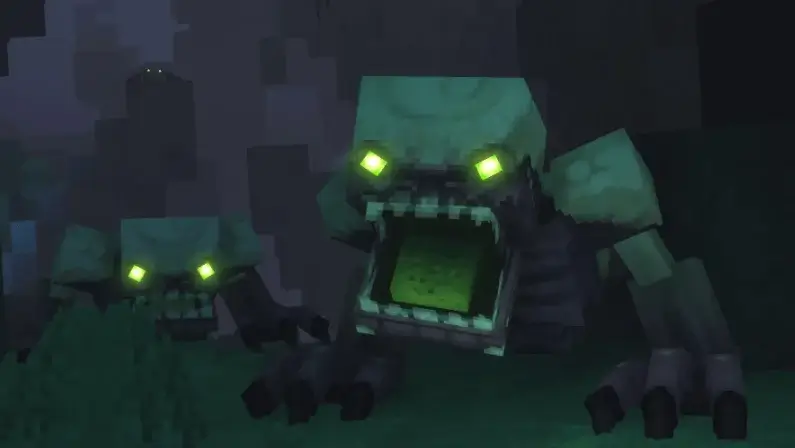
Enemies aren’t simple walk at you and attack. Hytale creatures can switch intent: investigating, hunting, defending, retreating, calling allies, and more. You’re fighting behavior, not just HP.
Why it matters: it creates stories. The same cave can play differently because the creatures react differently. On a server, co‑op feels less scripted and more like real survival.
6) Sound is gameplay
Sound isn’t only atmosphere. Noise can trigger responses. Footsteps, actions, and environmental sounds can affect what creatures do.
Why it matters: stealth becomes a thing without a stealth mode. Loud play attracts problems. Careful play changes outcomes.
7) Zones change behavior, not just difficulty
Zones can change how systems behave: aggression thresholds, resource patterns, hazards, structure density, and more. A higher zone isn’t just more damage. It can feel like different rules.
Why it matters: progression becomes about learning environments, not only leveling. It also gives servers a reason to build outposts, trade routes, and safer hubs.
8) Structures are semi‑procedural
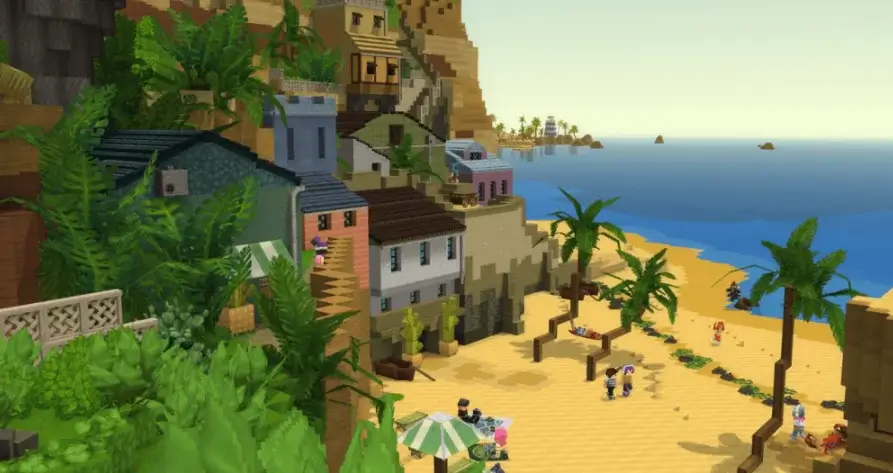
Hytale’s procedurally generated world won’t be pure randomness. Structures can be assembled with rules and modular parts, so they stay coherent while still varying.
Why it matters: dungeons stay replayable. You recognize this is a fortress, but you don’t memorize every hallway after two runs.
9) NPCs have schedules and routines
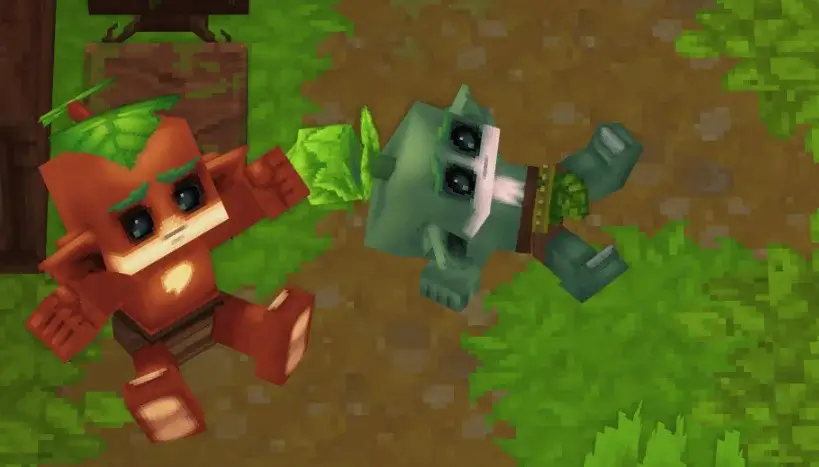
NPCs don’t exist only to stand still and wait for you. They can sleep, work, patrol, socialize, and react when their routines are interrupted.
Why it matters: towns feel alive on a server. Players can create stories by affecting routines, not just by farming quests.
10) World events are conditional and reactive
Hytale world events can trigger based on player actions, zone state, time progression, and world conditions. It can feel random, but it’s often the result of what the server community did earlier.
Why it matters: the world responds. Players don’t just consume content. They cause it.
11) Inventory is built for modded complexity
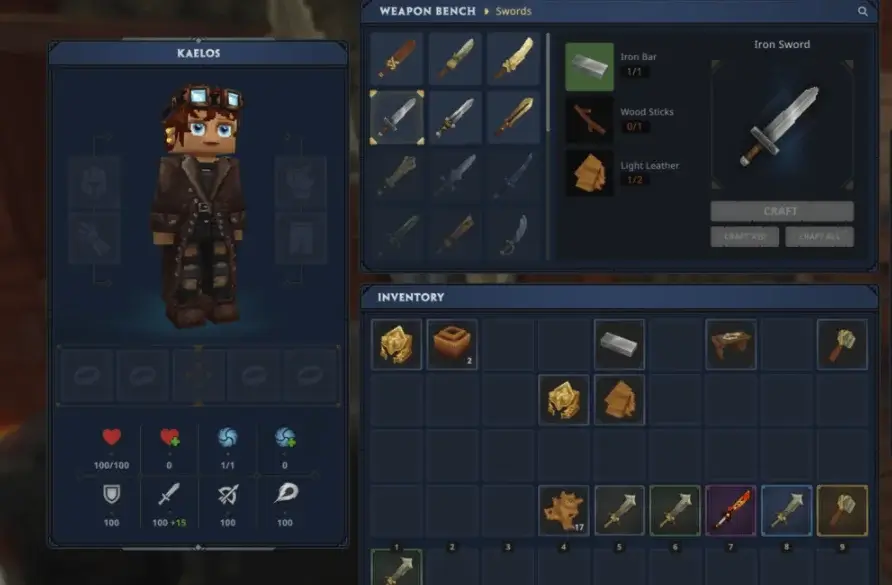
Hytale’s inventory system can support nested containers, custom item logic, and scriptable interactions. That means modded gameplay isn’t forced into a tiny vanilla‑shaped box.
Why it matters: servers that love mods can go deep without turning inventory into chaos.
12) Liquids are simulated in layers
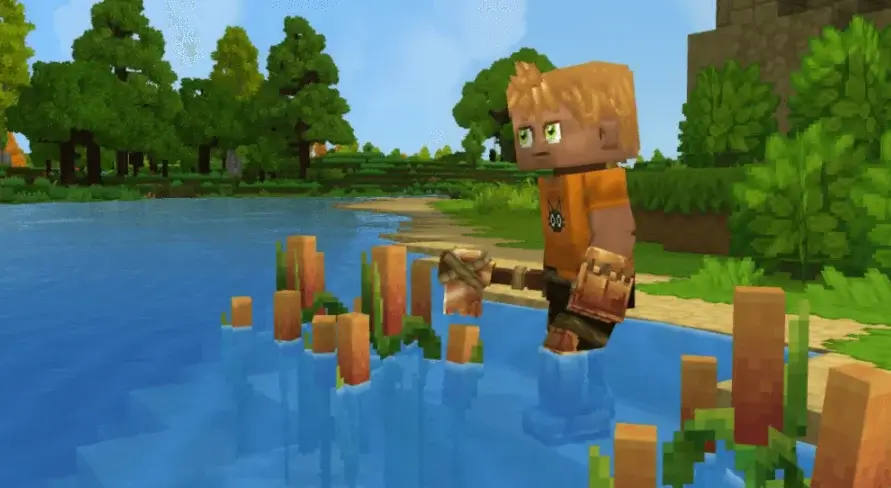
Liquids aren’t only visual. They can exist in layers, interact with blocks, and affect entities. This opens the door to chain reactions and environmental puzzles.
Why it matters: flood the tunnel stops being a gimmick and becomes a real tool in gameplay, exploration, and base defense.
13) Animations drive timing and outcomes
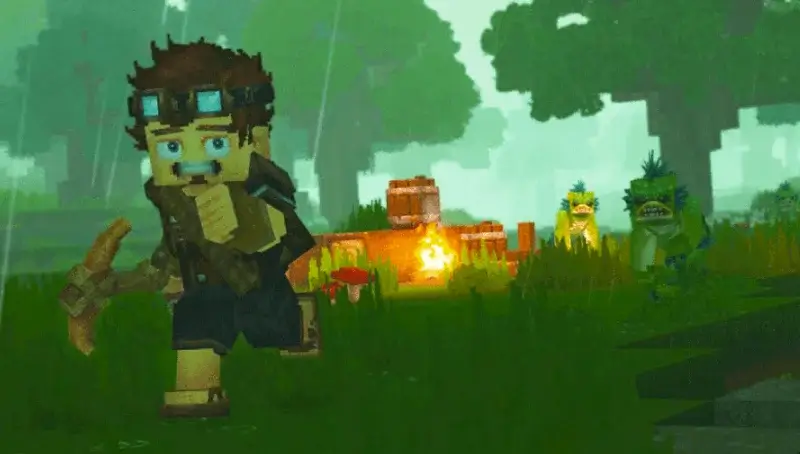
Animations aren’t just cosmetic. Timing windows can define when attacks land, when you’re vulnerable, and how movement commits you to actions. Cancel too early and you can get punished.
Why it matters: combat and movement feel weighty. Skill becomes readable, which is crucial for PvP and co‑op.
14) Progression is tied to the world, not just a level number
Progression isn’t only XP bars. It can be tied to zones you unlock, world state, and events you trigger.
Why it matters: a server can evolve. Communities can move up together as the world changes, not just as individual accounts grind.
15) The systems are designed to be broken (in a good way)
Hytale is built with the assumption that players will test boundaries. Many systems are exposed enough that modders can bend them, combine them, and break them into new game modes.
Why it matters: the best Hytale servers won’t be vanilla forever. They’ll become their own games.
What this means for early access servers
Early access is where everyone rushes to build, explore, and push limits. With reactive blocks, intent‑driven AI, layered liquids, and semi‑procedural dungeons, servers will see real stress from day one.
If you’re setting up a dedicated server for your group, think in systems. You’re not hosting one loop. You’re hosting a world where blocks, creatures, zones, events, and players constantly interact.
And that’s the point. Hytale isn’t just a game you play. It’s a world you and your community will shape.
FAQ
1) When does Hytale Early Access start?
Hytale is planned to enter Early Access on January 13, 2026. The first build is expected to be unfinished and improved through frequent updates.
2) Will Hytale be on Steam during Early Access?
No. Early Access is planned to launch without Steam, using the official Hytale website and account system instead.
3) Can I pre-purchase Hytale and reserve a username?
Yes. Players can pre-purchase Hytale via the official website and set up an account to reserve a username, which is especially useful for communities and servers.
4) What are Hytale editions and prices?
Hytale launches with three tiers: Standard ($19.99), Supporter ($34.99), and Cursebreaker/Founder’s ($69.99). Higher tiers focus on cosmetic perks and supporting development, not gameplay power.
5) Does Hytale support player-run servers and modding?
Yes. Hytale is built with a modding-first approach, creator tools, and support for community-run servers with custom rules and content.
6) What kind of game is Hytale in terms of gameplay?
Hytale blends sandbox building with RPG-style exploration and combat, featuring a procedurally generated world, themed Zones, dungeons, and dynamic encounters designed for multiplayer.
Read Next
-
Best Minecraft Server Hosting 2026 – 12 Compared & Ranked Providers
Important Note: Godlike.host is our own service. This ranking is editorial (not paid placement) and follows the scoring criteria shown below. Always verify current plan limits, pricing, and regions on each provider’s website before purchasing….
-
15 Hytale Systems You’ll Feel in Every Adventure
Hytale looks like a sandbox adventure game you can sink a decade into. But the real reason the hype never fully died isn’t only the art style or the Minecraft meets RPG pitch. It’s…