

 en | USD
 CHAT WITH GODLIKE TEAM



Hytale Ores Guide (Early Access): Where Ores Spawn, What to Mine First & Tips
- 10 min read
- 961 views
- 0 likes
TL;DR
Hytale server hosting mining is mostly about where you are, not how deep you dig. Start by clearing easy cave loops for Copper and Iron, then head to the desert for Thorium, the cold mountains for Gold, Silver, and Cobalt, and the Devastated Lands for Adamantite.
Two important Early Access notes: Mithril is not mineable in Adventure mode right now, and Voidstone is Creative-only at the moment.

TIP
Early Access note (why guides can disagree)
Hytale’s ore balance and biome rules are still shifting. Some resources are reliable across builds (Copper, Iron, Thorium, Cobalt, Adamantite), while others are either so rare they feel inconsistent (Diamond for many players) or not obtainable in Adventure mode yet (Mithril, Voidstone, and a few other high-tier ores). This guide focuses on what stays useful even when patches move the goalposts: how to scan terrain, how to choose routes, and what to craft first.
How ore hunting actually works in Hytale
If you come from Minecraft, the instinct is to dig a deep staircase and settle in. In Hytale, that usually wastes time early.
Most ores reward a simple rhythm:
-
Pick a zone that matches the ore you want.
-
Scan exposed rock first (cliffs, ridges, ravines, cave mouths).
-
Run short cave loops instead of committing to one long tunnel.
-
Leave if the terrain is wrong, even if you have not gone deep.
A good mental model is “surface first, caves second, deep digging last.” You will still go deep eventually, but you should only commit after the zone has already proven it is the right one.
Pickaxe reality check
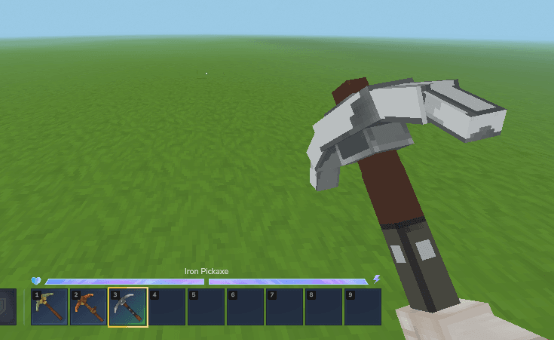
If an ore looks real but refuses to break cleanly, it is usually not a trick deposit. It is your pickaxe tier.
Early on:
- Wooden pickaxe can handle the basics (Copper, and often early Iron and Thorium).
- Iron pickaxe is the comfortable “I can actually mine consistently” tier for most progression ores.
If mining feels slow, inconsistent, or like your character is barely scratching the block, treat that as a signal to upgrade your pickaxe before you blame the biome.
Ore routes by zone
Zone 1: Emerald Wilds (your first mining routine)
What to look for: shallow caves and medium cave networks close to spawn.
Copper is your early backbone. You will see it in caves across most biomes, but the Emerald Wilds usually gives you the gentlest start: lots of cave mouths, lots of early deposits, and low travel cost.
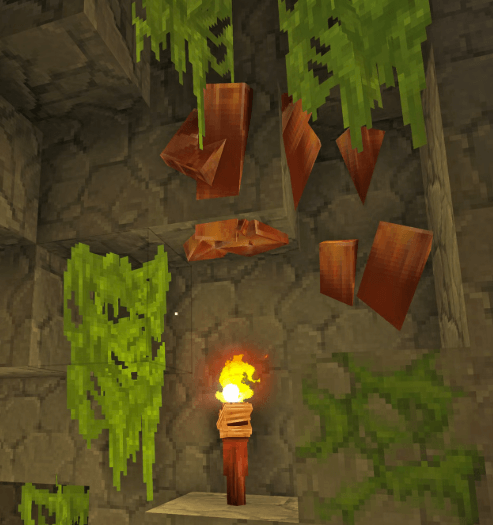
Iron shows up here too, usually deeper into the cave network. If you only find Copper, do not assume the zone is empty. It often means you are leaving caves too early, or you are only skimming the first layer.
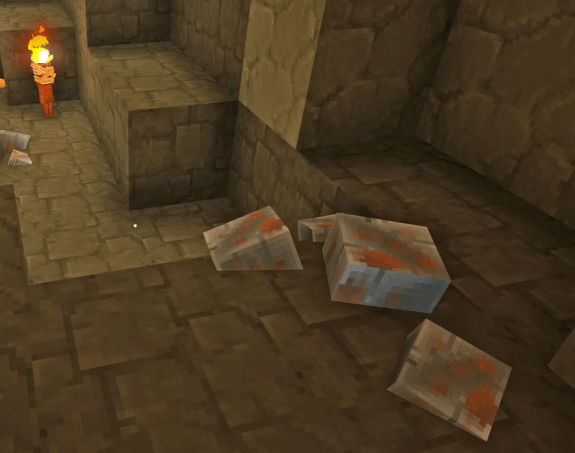
Practical route that works: do a loop of 2–3 cave entrances near spawn, mine until your inventory feels full, then return and smelt. It is boring in the best way: reliable progress without risk spirals.
Zone 2: Howling Sands (desert) for Thorium, plus bonus metals
The desert is where mining starts to feel like an expedition rather than a stroll. The good news is that it is also where ore becomes easier to spot from a distance.
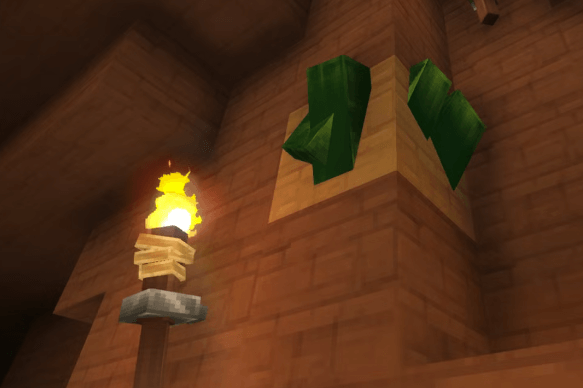
Thorium is the desert headline. Instead of digging straight down, scan for:
-
cliff faces
-
ravines and ridges
-
cave openings that cut into sandstone
Thorium is often easiest to find where rock is exposed, especially on the sides of cliffs. If you spend too long in flat sand, you can miss it completely and assume it does not exist.
You can also run into mining sites in the desert. These can be useful for quick ore hits, but they are often guarded, so treat them as loot with a fight rather than safe farming.
Iron remains common here, especially in cave systems. If you are already hunting Thorium, Iron becomes your free bonus.
Volcanic regions: gemstones and the deeper crystal hunt
Volcanic zones are a different vibe: darker stone, lava hazards, and pockets of valuable materials that feel deliberately placed.
Sapphire and Ruby are tied to volcanic biomes. A common pattern is that the most profitable spots are connected to gold-toned deposits near lava features, sometimes visible as distinct map hints once you are close. Expect to descend, deal with lava, and rummage through deposits that can hide gems inside, not just on the surface.
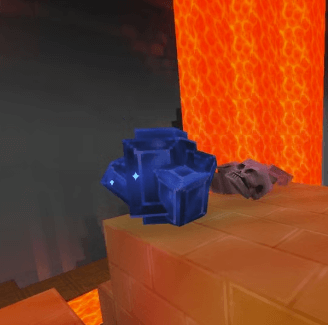
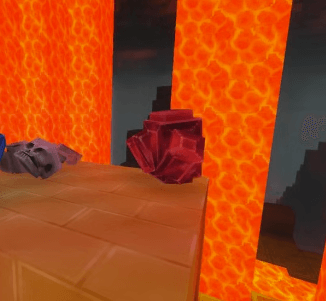
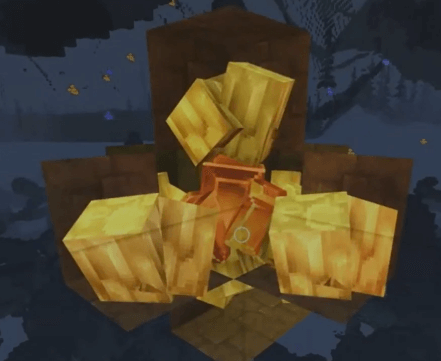
Topaz is the patience test. It tends to be associated with deep volcanic caves and yellow crystal formations. If you are casually exploring, Topaz often feels invisible. If you are deliberately hunting, your job is to find the right cavern ceiling and start checking those crystal pockets.
If you only take one safety habit into volcanic mining, make it this: bring a simple way to handle lava and vertical drops (even basic water management can save your run).
Cold mountains: Gold, Cobalt, and Silver
When you reach colder biomes, the terrain itself starts doing you favors. Mountain faces expose ore without you digging a perfect shaft.
Gold commonly shows up in cold regions, especially on mountain sides and mountaintops. You can sometimes find it by going deep underground, but mountain scanning is usually faster for your first batches.
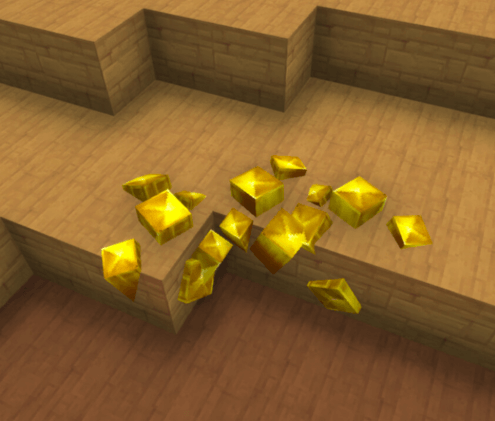
Silver lives in the same general cold mountain neighborhood, but it tends to be rarer. Some Silver deposits can appear deep near subterranean water, which makes them annoying: you are fighting depth, navigation, and breathing issues all at once. For early Silver, cold mountain scanning is still the least painful approach.
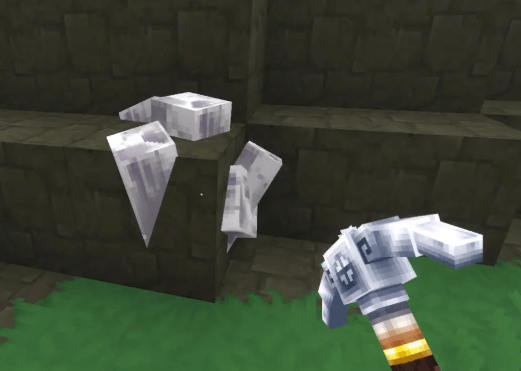
Cobalt also thrives in cold regions, often on and inside mountains. Visually, it tends to stand out with a dark blue look against stone. Cobalt is one of those ores that feels like a real gear step: once you can mine it reliably, you are no longer just surviving your zone progression, you are controlling it.
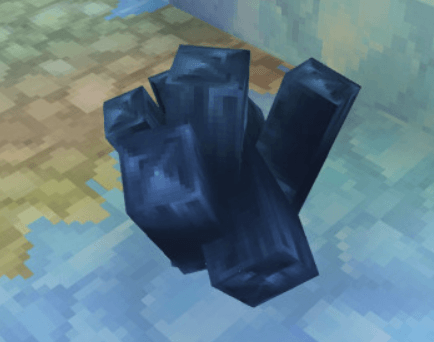
One extra note on Cobalt: it can also show up in other higher-risk ore routes depending on your build, including desert structure runs. If you like exploring structures, keep your eyes open, but if you want predictable mining, cold mountains are the calmer bet.
Zone 4: Devastated Lands and Cinder Wastes for Adamantite
Adamantite is the point where the world starts looking like it wants you to leave. Ashy tones, harsher enemies, and terrain that feels hostile on purpose.
The most consistent Adamantite hunting tends to happen around the Cinder Wastes area of the Devastated Lands. When you are scanning your map, you are often looking for distinct patches of purple-red terrain and rocky stretches where ore can poke through the surface.
Adamantite can spawn both on the surface and in caves. Surface deposits are easy to miss because the color palette in this zone is already red and dark. Your best strategy is slow, deliberate scanning of exposed rock rather than sprinting and hoping your brain catches a red ore block in a red world.
Bring more food than you think you need. Long fights and long travel time stack up fast here.
TIP
The deep layer bonus: Diamond
Diamond is associated with the deepest cave layers near where magma starts appearing. It can exist across biomes, but the time cost is real. Many players treat Diamond as a bonus they pick up while doing other deep-cave goals, not a resource they farm on purpose.
If you enjoy deep mining, go for it. If you are trying to progress cleanly, you usually get more power faster by focusing on the zone metals first.
Cobalt: the gear step people feel immediately
Cobalt is not just another ore. It is a checkpoint.
Two things make Cobalt feel important:
1) It is tied to a broader midgame progression push.
2) Crafting cobalt gear can require extra materials beyond the ore itself (for example, some players farm specific enemies for scraps that pair with Cobalt crafting).
So if you are planning your Cobalt run, do not think only in terms of ore. Think in terms of a loop: mine the Cobalt, then gather the extra crafting materials your current recipes ask for, then return and smelt.
This is also where you start noticing the value of short mining rotations. If you do one huge trip and die near the end, it hurts. If you do three short loops and bank the ore between them, you still progress even when a fight goes sideways.
Mithril and Voidstone: what to know right now
Mithril
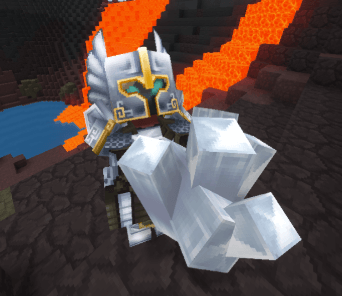
In the current Early Access state, Mithril is not mineable in Adventure mode. You may see it referenced in recipes or future-facing progression, but you cannot reliably go out and farm it the way you can with Thorium, Cobalt, or Adamantite.
What to do instead: treat Adamantite as the practical top tier for real progression runs, and consider Mithril as “not a real target yet” unless you are using Creative mode tools.
Voidstone
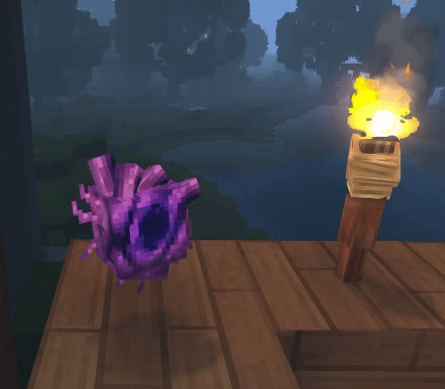
Voidstone is also Creative-only right now. If you are playing Adventure mode, it is not something you plan a route around. If you are building in Creative, it becomes a material choice, not a survival milestone.
What to craft first
A simple rule: craft upgrades that reduce the cost of every future trip.
Good early priorities:
-
Pickaxe upgrades when mining starts feeling slow or inconsistent.
-
Armor and a dependable weapon tier before you push into colder regions or the Devastated Lands.
-
Storage and carry capacity improvements so you waste less time running back and forth.
If you find yourself constantly thinking, I can mine this but I cannot safely bring it home, that is your cue to invest in survivability and storage rather than chasing the next shiny deposit.
Alt-tab cheat sheet (fast reminders while you play)
-
If you want Copper and Iron: loop nearby caves in Emerald Wilds.
-
If you want Thorium: desert cliffs and exposed sandstone, not flat dunes.
-
If you want Gold, Silver, and Cobalt: cold mountain faces, then caves.
-
If you want Adamantite: Devastated Lands, especially Cinder Wastes terrain patches.
-
If you want Diamond: deep cave layers near magma, expect a time sink.
-
If a block refuses to mine cleanly: upgrade your pickaxe tier.
FAQ
-
Why can my friend find an ore in a biome where I cannot?
Small build differences, world generation variance, and route choices matter a lot in Early Access. In practice, it is safer to rely on zone rules than a single anecdote. If you are in the right zone and scanning exposed rock, you are doing the correct thing even if one run is unlucky. -
Should I dig straight down to find better ores?
Usually no. Better ores are more strongly tied to zones and exposed terrain than depth alone. Use caves and cliffs to prove the zone first, then dig deeper only when you have a reason. -
Is Adamantite the best ore right now?
For Adventure mode progression, it is often the highest practical crafting tier right now. Mithril may show up in the game’s wider crafting ecosystem, but it is not mineable in Adventure mode at the moment. -
What is the most common mistake when hunting Thorium?
Spending too long in flat desert areas. Thorium is much easier to spot on cliffs, ridges, ravines, and cave faces where sandstone is exposed.

Read Next
-
Best Minecraft Server Hosting 2026 – 12 Compared & Ranked Providers
Important Note: Godlike.host is our own service. This ranking is editorial (not paid placement) and follows the scoring criteria shown below. Always verify current plan limits, pricing, and regions on each provider’s website before purchasing….
-
15 Hytale Systems You’ll Feel in Every Adventure
Hytale looks like a sandbox adventure game you can sink a decade into. But the real reason the hype never fully died isn’t only the art style or the Minecraft meets RPG pitch. It’s…