

 en | USD
 CHAT WITH GODLIKE TEAM



Hytale Weapons Guide: All Weapons, How Combat Works, and How to Progress Fast
- 9 min read
- 2808 views
- 0 likes
TL;DR
If you’re new to Hytale server hosting, you don’t need a perfect weapon. You need a weapon type that matches how you play, plus a couple of habits that keep fights under control.

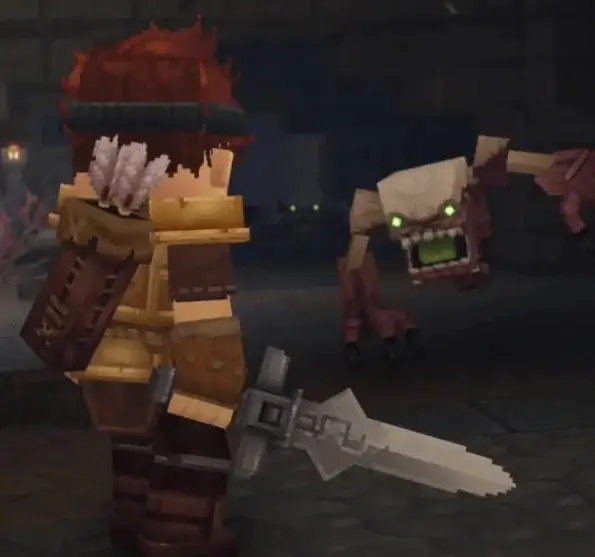
Pick your first weapon type in 30 seconds:
- Sword if you want the most forgiving, all-purpose start.
- Daggers if you like quick hit-and-move play and staying mobile.
- Bow if you want safer fights while you learn timing.
- Hammer/Mace if you enjoy slower, heavier hits and can wait for openings.
- Axe if you keep getting surrounded and want wider swings.
- Shield (off-hand) if you want a calmer early game and fewer random deaths.
Early plan: craft a basic weapon, bring food, practice charged attacks only when you’re safe, and upgrade in steps instead of chasing best in slot.
Early Access note (what this changes)
Hytale is in Early Access, so balance can move around. Damage values, stamina costs, and progression pacing may shift from patch to patch. What stays useful is how you take fights: spacing, timing, when you commit, and when you reset. That’s what this guide focuses on.
Combat basics
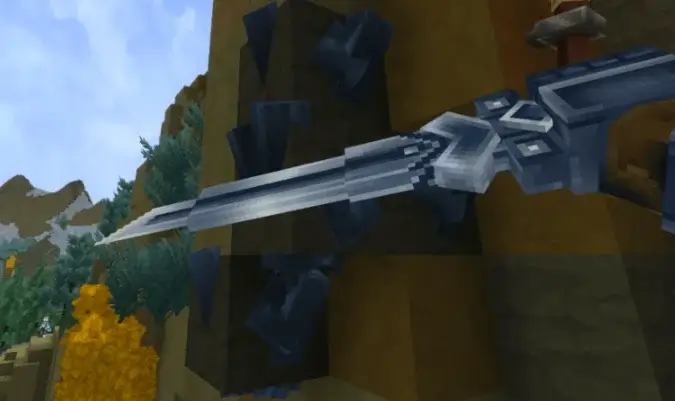
Light attacks vs charged attacks
Light attacks are your default. Use them when you’re learning enemy patterns, finishing a low-health target, or staying mobile.
Charged attacks are different. They hit hardest when the enemy has already given you permission to land them, meaning the enemy just missed a big swing, got stuck in a recovery animation, or had to path around terrain.
A good way to think about it: charged attacks are the follow-up, not the opener. Light attacks create the moment. Charged attacks cash it in.
Quick reminder: if you start charging and you’re not sure you’re safe, cancel and reposition. That one habit saves a lot of early deaths.
Blocking, off-hand tools, and not getting cornered
If you prefer a calmer start, a shield can make combat feel readable instead of chaotic. Blocking buys you time to watch attacks, adjust spacing, and avoid taking chip damage while you’re still learning.
Two things matter here:
- Don’t block everything. Some hits are better avoided by stepping out or sprinting away.
- Don’t hold block forever. If you turtle up in a corner, you’ll stall out and eventually get boxed in.
A simple rhythm that works early:
- light attacks for a short burst
- block or step back
- re-enter when the enemy commits
Your special attack (often bound to Q key) is for clean moments
Special attacks can feel like an emergency button, but they work best when you’re already stable. Use Q to finish a fight quickly, punish a slow move, or swing momentum back before the fight turns into a long drain on food and healing.
If you’re not safe, make yourself safe first. Back up, line of sight the target, or reposition around terrain, then use your special when you can actually control what happens next.
Quick combat cheat sheet
- Light attacks: keep tempo, learn patterns, stay mobile.
- Charged attacks: use after a miss, a slow wind-up, or a recovery window.
- Shield: block predictable hits, move away from big wind-ups.
- If fights feel messy: reset your position before you commit again.
Your first-session progression plan
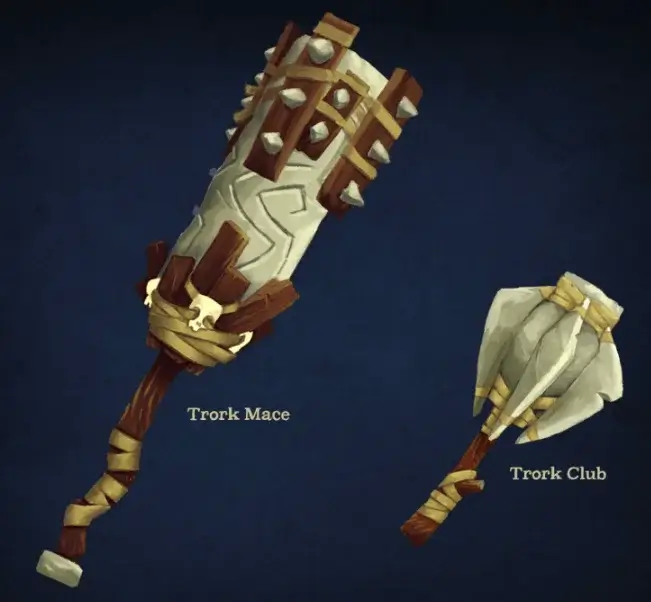
If you want a clean early route, aim for consistency over style.
Start with a basic weapon you can craft early. For example, a starter sword is a straightforward option. A basic early craft (as of Early Access) looks like: 2x Plant Fiber, 2x Stone Rubble, and 2x Wood. It’s not the best, it’s just reliable enough to learn spacing, timing, and how your weapon type feels.
Keep your first sessions simple:
- craft one starter weapon and put it on your hotbar
- carry food so you don’t have to sprint back mid-fight
- if you have access to a shield early, use it until combat feels natural
- fight near terrain that gives you room to reset
- upgrade in steps instead of skipping straight to best weapon ideas
If you want a concrete early goal that naturally pushes you into better fights, the Forgotten Temple path is a solid milestone. It sets up a guard fight, a boss, and a progression unlock you can build around. If you want that route in detail, see our Hytale Memories Guide.
Mini tier table (by weapon type)
Use this table to decide what feels right, not to argue about the perfect ranking. Patches may shift numbers, but these roles usually stay recognizable.
| Weapon type | Best for | Why it works | Common mistake |
| Sword (balanced) | First weapon, general play | Comfortable speed, decent reach, easy rhythm | Swinging until you get hit instead of hitting then resetting spacing |
| Daggers (fast) | Mobility, single-target pressure | Quick recovery lets you poke, move, and re-enter | Staying in melee too long when you’re outnumbered |
| Hammer/Mace (heavy) | Big punish moments | Strong hits reward patience and timing | Charging into small openings and eating a hit mid-animation |
| Axe (wide swings) | Close-range control, multiple targets | Feels better when mobs crowd you | Fighting in tight corners where swings catch terrain or whiff |
| Bow (ranged safety) | Learning fights, co-op support | Lets you deal damage while staying safer | Standing still too long or focusing on aim instead of movement |
| Shield (off-hand) | Defensive learning curve | Slows chaos down and reduces random deaths | Blocking everything, including attacks you should avoid by moving |
If you’re coming from Minecraft, the comparison is simple and friendly: Hytale combat tends to reward timing and movement more than just constant clicking. You’ll still do fine if you keep it simple, but spacing matters sooner.
Pick your playstyle
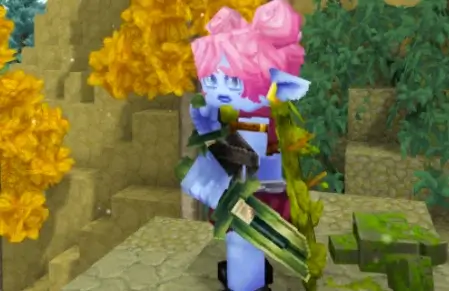
“I want the safest fights possible"
Go with a balanced weapon or a shield-first setup. Your job is to stay calm, learn patterns, and avoid damage spikes. You’ll win more fights by staying consistent than by chasing damage early.
A repeatable early pattern:
- light attack a couple times
- block or step back
- re-enter when the enemy commits
“I want to move fast and stay mobile”
Daggers are a comfort pick here. The benefit isn’t only damage. It’s that you can act, recover, and reposition quickly, which makes early encounters feel less punishing.
One rule keeps this style strong: short bursts, then disengage. If you trade hits in place, you give up the reason you picked a fast weapon.
“I like big hits, but I don’t want fights to feel miserable”
Heavy weapons are satisfying, but they ask you to respect timing. Use them when you can read an opening. If an enemy has a clearly telegraphed big move, that’s your moment. If the fight is chaotic, don’t force it. Create space first, then commit.
This style shines once you recognize recovery windows. Until then, treat heavy swings as a choice, not a habit.
“I’m playing co-op and want to be useful”
In co-op, fights feel cleanest when everyone has a job. A simple split works well:
- one player keeps the enemy busy and blocks
- one player commits to damage when openings appear
- one player covers mistakes from range (especially while the group is learning)
Co-op/Server note
If you’re playing with friends, the smoothest experience is the one where your world is reliably available and nobody has to wait for the host to log in.
If you’re setting up a dedicated world, Godlike can help you spin up a Hytale server and keep it stable for co-op sessions.
If you only mention two practical benefits, make them these: an easy control panel for day-to-day changes, and a server that stays responsive when more players join.
FAQ
What’s the best weapon type to start with in Hytale?
For most new players, a sword is the least punishing start. If you want extra safety, pair your weapon with a shield and focus on learning spacing. If you prefer distance while you learn, start with a bow.
Should I use charged attacks all the time?
No. Use charged attacks when you’ve already created a safe moment, like after an enemy misses a big swing or gets stuck in recovery. If you charge into chaos, you’ll get clipped mid-animation.
Is blocking always the right move?
Blocking is helpful, not universal. Block predictable hits. When you see a big wind-up, sprinting away or stepping out is often safer than trying to stand there and tank it.
How do I know when it’s time to upgrade my weapon?
If routine fights start costing you too much food or healing, your weapon tier is falling behind. Upgrading should make everyday combat feel cleaner and faster, not just boss fights.
What weapon type is best for co-op?
Team roles matter more than the exact weapon. The easiest duo setup is one player who can block and stay steady, plus one player who focuses on damage. If fights keep spiraling, add a ranged player to stabilize the chaos.
Will this guide still make sense after patches?
Yes, because it’s built around habits that stay useful: spacing, timing, choosing safe moments for charged attacks, and upgrading in clear steps. Even if damage numbers shift, the fight flow stays familiar.

Read Next
-
Best Minecraft Server Hosting 2026 – 12 Compared & Ranked Providers
Important Note: Godlike.host is our own service. This ranking is editorial (not paid placement) and follows the scoring criteria shown below. Always verify current plan limits, pricing, and regions on each provider’s website before purchasing….
-
15 Hytale Systems You’ll Feel in Every Adventure
Hytale looks like a sandbox adventure game you can sink a decade into. But the real reason the hype never fully died isn’t only the art style or the Minecraft meets RPG pitch. It’s…