


 en | USD
 CHAT WITH GODLIKE TEAM



Minecraft Mobs List
- 13 min read
- 4695 views
- 1 likes
TL;DR
A mob is an AI-driven creature in the Minecraft Server Hosting world. This Minecraft mobs list groups them into passive mobs, neutral mobs, hostile mobs, and boss mobs. Most mobs spawn naturally based on light level, biome, and solid ground, and many mobs despawn once you get far enough away. If you want a quick win, light up your base to prevent hostile mobs and use the category lists below to find the particular mob you need.

For aspiring Minecraft modders looking to develop their skills, CodaKid offers a comprehensive learning platform worth exploring. Their structured video tutorials guide students through creating custom items, mobs, and dimensions using Java, the programming language behind Minecraft itself. The platform also provides access to experienced coding instructors who offer support throughout the learning process.
TIP
What is a mob in Minecraft?
In Minecraft, a mob is basically a living, AI-driven game entity. It can wander, chase, flee, trade, patrol, swim, fly, or just do its own thing while you build. Most mobs behave differently because each one has a certain AI system behind it. Some are simple. Others feel like they have an advanced path finding system, especially when they manage to squeeze through your perfectly safe hallway.
The term mob is used casually, but it’s useful. When you see mob, think a creature with behavior. That’s why players talk about mobs behaving differently, mobs ordinarily wander, and why certain farms break when mob pathfinding tweaked changes roll out in updates.
TIP
The four main mob groups
Minecraft mobs can be classified into four main groups: Passive, Neutral, Hostile, and Boss mobs.
Passive mobs
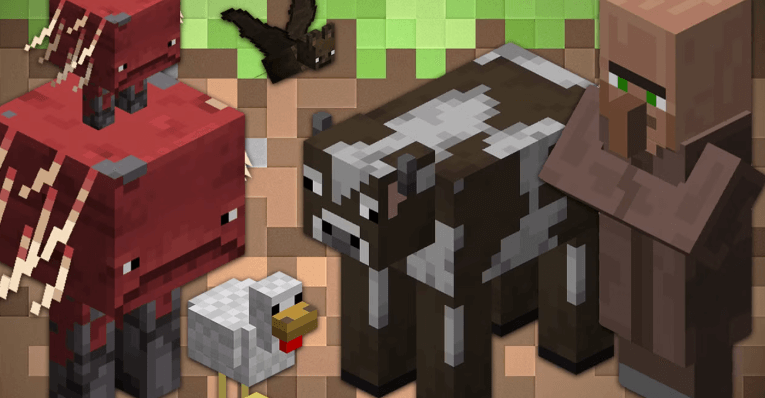
Passive mobs are harmless mobs. They do not attack players, even when provoked. Many are animals, some are helpers, and several are simply there for atmosphere.
Neutral mobs

Neutral mobs can switch between being passive and hostile depending on player actions. Some flip when you hit them. Others flip when you break a rule, like staring at an enderman.
Hostile mobs
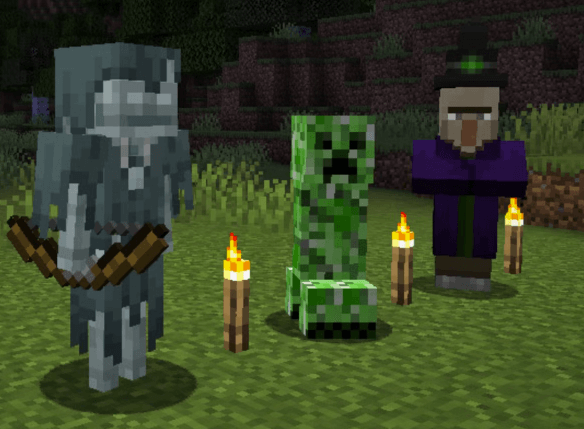
Hostile mobs always attack players within their detection range. If you want a clean base, these are the ones you plan around.
Boss mobs

Boss mobs are special hostile mobs that are tougher and provide unique challenges and rewards. They are the big milestones, not the everyday threats.
How mobs spawn naturally
Most mobs spawn naturally, but the rules aren’t random chaos. Spawns depend on light, biome, space, and what blocks exist in the area.
Here’s the version most players actually use:
- Light level matters. Hostile monsters spawn primarily in darker areas.
- Biome matters. Some mobs are tied to certain biomes or dimensions.
- Space matters. Crowded chunks can lower your mob spawn rate.
- Ground matters. Most mobs never spawn on transparent blocks, on blocks less than a full block tall, in lava, or on bedrock. Aquatic mobs are the big exception because they need water.
TIP
You will still see mobs spawn randomly around you, because the game keeps attempting spawns in nearby chunks that meet the rules. If you want to control it, lighting and solid floors are your best tools.
Mobs you can create, not just find
Not all mobs rely on natural spawning.
- Some mobs can be bred by players, meaning you feed two adults and create offspring. These are breedable mobs, and they include a lot of the animals you keep for resources.
- Some mobs require that the player construct them before they can spawn. The iron golem is the classic example.
- You can spawn mobs easily in Creative mode with spawn eggs, or use the /summon command if you’re testing specific mobs for builds, farms, or maps.
That’s also why you’ll see people use phrases like spawn mobs, mobs spawn, and mobs spawn naturally. They’re talking about different routes to the same result: a creature exists in your world.
Despawning: why mobs vanish
Many mobs despawn after a certain amount of time if far enough from the player. This is one reason your world doesn’t fill up with thousands of creatures.
Edition rules matter:
- In Java Edition, most passive mobs do not despawn the way monsters do, while most monsters do.
- In Bedrock Edition, almost all mobs despawn unless you make them persistent (for example, name tags, certain conditions, or keeping them in loaded chunks).
If you’re building farms or pens, mobs despawn is not trivia. It changes everything.
A note on danger, drops, and the environment
Mobs are affected by the environment in the same ways as the player. They can be hurt by falling, fire, lava, drowning, and explosions. This is part of why farms work.
Also, mobs can drop items that may be useful resources when killed. Sometimes it’s basic food. Sometimes it’s the entire reason a farm exists, like gunpowder or rare drops.
Minecraft mobs list by behavior
Minecraft features over 80 unique mobs categorized by their behavior toward the player. As of version 1.21, many counts land at 87 mobs depending on how you count variants and special cases. Either way, this list is meant to be practical: if you can meet it in normal play (or it matters enough that people search it), it’s here.
You’ll also see a few extra notes where it helps, because a separate mob on paper can behave like a different mob in practice.
Passive mobs list
Passive and neutral animals
Passive mobs do not attack players, even when provoked. This is where most of the all the animals vibe lives.
Common passive mobs:
Allay, Armadillo, Bat, Camel, Cat, Chicken, Cow, Donkey, Fox, Frog, Goat, Horse, Mooshroom, Mule, Ocelot, Panda, Parrot, Pig, Rabbit, Sheep, Sniffer, Turtle, Villager, Wandering Trader.
Aquatic and water-friendly passive mobs:
Axolotl, Dolphin, Cod, Salmon, Pufferfish, Tropical Fish, Squid, Glow Squid, Tadpole.
A few quick notes that matter:
- Bats are harmless flying mobs typically found in caves. They’re mostly ambiance.
- Axolotls are aquatic mobs that help fight underwater monsters and can hunt fish. They can also play dead in combat, which makes them weirdly brave for something that fits in a bucket.
- Dolphins help players locate shipwrecks and ocean monuments, and they make travel feel faster when you swim with them.
- You can end up with twenty stray cats around a village if you start feeding them casually. It happens.
Neutral mobs list
Neutral mobs
Neutral mobs attack only when provoked, including endermen, bees, and spiders at night (spiders calm down in daylight, but nights are a different story).
Neutral mobs you’ll actually run into:
Bee, Enderman, Spider, Wolf, Llama, Trader Llama, Polar Bear.
Some neutral mobs are situational:
- Piglins found in the Nether barter with gold and become hostile unless the player wears gold armor. You can stand near them safely, then instantly regret opening a chest.
- Zombified piglins are usually neutral until provoked, but if you hit one, you often trigger a chain reaction.
Players sometimes lump these into passive and neutral animals, which is fair as a don’t panic shortcut. Just remember: neutral is conditional.
Hostile mobs list
Hostile mobs (Overworld)
Hostile mobs always attack players within their detection range, and hostile monsters spawn in places you forget to light up.
Core overworld hostile mobs:
Creeper, Zombie, Zombie Villager, Skeleton, Spider (at night), Cave Spider, Witch, Slime, Phantom, Drowned, Husk, Stray, Endermite, Silverfish.
Illagers and raid mobs:
Pillager, Vindicator, Evoker, Vex, Ravager.
Deep and special threats:
Warden.
Notes people care about:
- Creepers silently approach players and explode when close, dropping gunpowder upon defeat.
- Zombie villagers are a big deal because they tie into curing mechanics and village rebuilding. You’ll also see old patch-style talk like added zombie villagers in discussions, because players remember when that felt new.
- Cave spiders are small, fast, and poisonous. They’re one of the reasons abandoned mineshafts can feel unfair.
- Witches are annoying because they break the normal rhythm of a fight. You’re not just trading hits, you’re dealing with potions.
- If skeletons catching you out in the open feels common, it’s because their range punishes sloppy movement.
Hostile aquatic mob list
Guardians and elder guardians are the ocean monument defenders:
Guardian, Elder Guardian.
Guardians and Elder Guardians protect ocean monuments and shoot lasers at players. The elder guardian effect is memorable enough that some players describe it like a jumpscare, even though it’s not literally a ghost.
Hostile mobs (Nether)
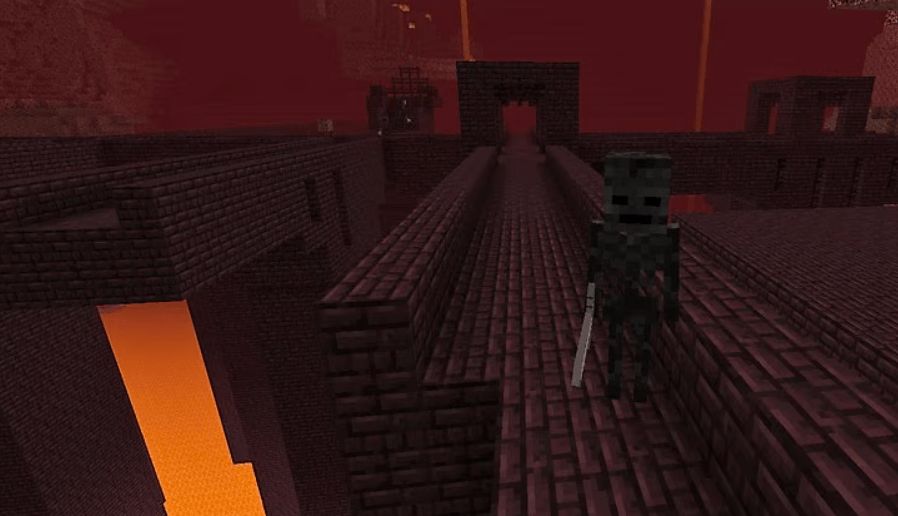
Nether mobs are where special hostile mobs really show up.
Nether hostile mobs:
Ghast, Blaze, Magma Cube, Wither Skeleton, Hoglin, Piglin Brute, Zoglin.
Ghasts float in the Nether and shoot fireballs at players. If you’ve ever been knocked off a ledge by a surprise fireball, you already respect them.
Also, you will still see people say added zombie pigmen in old-style guides. The modern mob is Zombified Piglin, but the older name stuck for years.
Hostile mobs (The End)
End hostile mobs:
Shulker.
Endermen are technically neutral, but The End is the easiest place to anger a crowd of them by accident, so players often treat the area as naturally hostile.
Boss mobs list
Boss mobs (big fights)
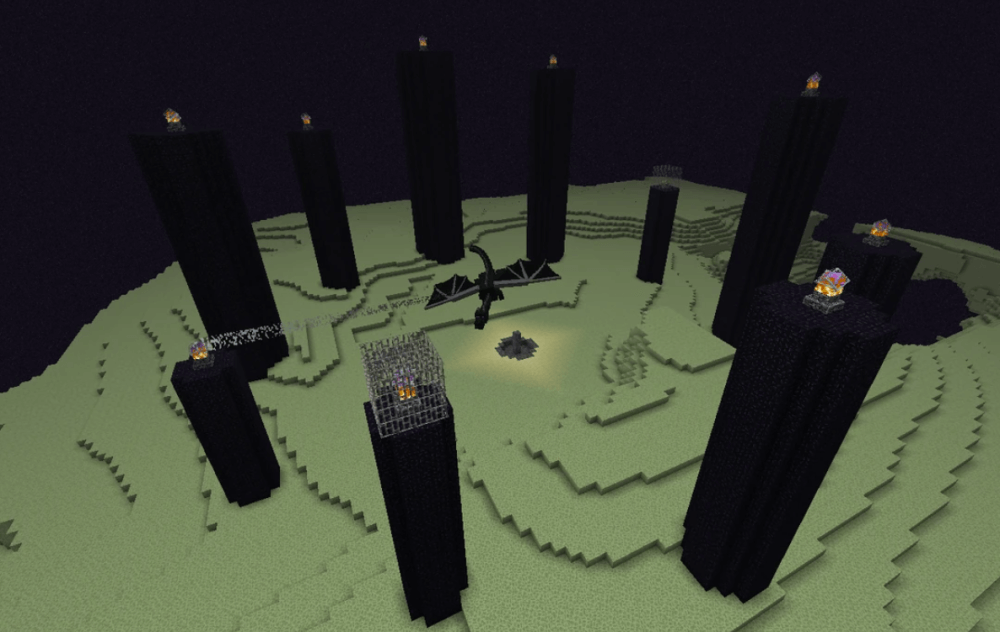
Boss mobs are special hostile mobs with unique challenges and rewards.
Boss mobs:
Ender Dragon, Wither.
The Ender Dragon is the final boss of The End and breathes dragon breath while flying. People often talk about ender dragons in the plural because you can respawn the dragon and repeat the dragon fight. So yes, you’ll hear ender dragons even though the game presents one main Ender Dragon boss at a time.
The Wither is a player-summoned three-headed undead boss that shoots explosive skulls. If you’ve ever hunted for a wither skeleton’s skull, you know the grind is part of the story.
Jockeys, combos
Some things aren’t separate mobs in the strict sense, but they matter because they behave like a new threat.
Spider Jockeys
Spider jockeys are a skeleton riding a spider. The spider climbs and the skeleton shoots arrows. It’s not firing webs, but it still feels unfair because the movement makes the shots harder to read.
A few practical spawn and safety rules
This is the part that helps in real play.
How to prevent hostile mobs
If you want to prevent hostile mobs near your builds:
- Light up dark corners.
- Check caves under your base.
- Avoid big unlit floors.
- Remember that hostile monsters spawn where you stop paying attention.
Where mobs do not spawn
Most mobs never spawn on transparent blocks, on blocks less than a full block tall, in lava, or on bedrock. You can use that for build planning, but don’t overtrust it. Minecraft is full of edge cases.
Why mobs behave wrong sometimes
Pathfinding is imperfect. Mobs may avoid huge cliffs, hesitate on odd geometry, or get stuck when you think the route is obvious. That’s not you being bad at building. It’s Minecraft being Minecraft.
Odd searches people make, and what they usually mean
Not everything that looks like a mob is actually a new mob.
- Pig emitting smoke particles is usually a visual effect (fire, damage, a mod, or a resource pack effect), not a secret creature.
- Dropped cake items tends to be confusion from mods, commands, or map scripts. Vanilla cake doesn’t behave like a normal drop.
- Hit subtitles and step subtitles can make you think something is closer than it is, but subtitles are still useful. They let only the player hear footsteps as text, which helps you catch threats through walls.
- Official t shirt artwork sometimes shows mobs or concepts that feel real even when they aren’t in survival. It’s fun, but it’s not confirmation.
This is also where mob vote talk lives. People remember the first mob vote, and they remember every mysterious mob posted teaser that kicked off weeks of theories. Some of those ideas never ship, which leads to…
Removed mobs, unused mobs, and unimplemented mobs
Players love version archaeology.
- Removed mobs are creatures that existed in older forms or older builds but aren’t part of normal gameplay now.
- Unused mobs exist in data or have remnants but don’t appear naturally.
- Unimplemented mobs are concepts that never made it into the game.
Zombie horses are a good example of something many players have heard about but rarely see in standard survival, because they’re usually accessed through commands or special setups.
If you want that kind of deep list by version, we can keep supplementary material consistently updated, but for a practical guide, it’s better to focus on what you can meet and use.
FAQ
What are mobs in Minecraft?
Mobs are AI-driven entities resembling living creatures. They have behaviors, can interact with the environment, and often drop useful resources.
What are the four main mob groups?
Passive, Neutral, Hostile, and Boss mobs.
Do passive mobs attack players?
No. Passive mobs are harmless and do not attack players, even when provoked.
How do mobs spawn naturally?
Most mobs spawn naturally based on light level, biome, and surroundings. Many hostile monsters spawn in darker conditions, while many animals depend on biome and open space.
Why do mobs despawn?
Many mobs despawn when far enough from the player to reduce clutter and improve performance. Java Edition and Bedrock Edition handle despawning differently.
How can I spawn mobs easily?
Use spawn eggs in Creative mode or the /summon command. Some mobs, like an iron golem, can also be constructed by the player.

Read Next
-
Best Minecraft Server Hosting 2026 – 12 Compared & Ranked Providers
Important Note: Godlike.host is our own service. This ranking is editorial (not paid placement) and follows the scoring criteria shown below. Always verify current plan limits, pricing, and regions on each provider’s website before purchasing….
-
Minecraft 1.21+ Seeds Worth Trying (Cherry Villages, Dungeons, and Beauty)
TL;DR If you want one seed that feels like a complete starter world, pick Cherry Valley Trio (Seed: 608548899648438462) for villages, deep structures, and a strong exploration route.If you want a dramatic build location with…
-
What Y Level is Best for Diamonds in Minecraft (1.20 -1.21)
Ultimate Minecraft Diamonds Mining Guide Why are diamonds so wanted by many? Minecraft Diamonds – shiny blue gems in the world of Minecraft that also happen to be the ore required to have the best…