


 en | USD
 CHAT WITH GODLIKE TEAM






Multiplayer quality-of-life in Terraria 1.4.5: Spectate, the team-based seed & server checklist

- 8 min read
- 356 views
- 0 likes
TL;DR
Terraria dedicated servers 1.4.5 smooths out multiplayer in a few practical ways that matter in real sessions. The biggest one is Spectate, which lets you watch other players while you are waiting to respawn instead of staring at a timer. The update also adds a team-based secret seed, royale with cheese, that gives each team its own starting territory and instantly changes how co-op and friendly PvP worlds feel. If you host games for friends, a simple pre-session checklist makes the difference between a fun night and a frustrating one.
Quick Terraria 1.4.5 note
This guide is for Terraria 1.4.5 (Bigger and Boulder). Controls and menu placement can vary a bit by platform, but the features and the setup ideas below apply across typical multiplayer play.
Why multiplayer feels better in 1.4.5 update
Most multiplayer problems in Terraria are not complicated, they are small and repeated. Someone dies and has to wait while everyone else fights. A friend joins late and spawns in the wrong place. The group spends 15 minutes sorting out who is hosting, which world file is current, and why one player cannot connect.
1.4.5 does not try to reinvent multiplayer. It adds a few quality-of-life changes that reduce dead time and make it easier to shape the kind of session you want. If you mostly play solo, they are nice. If you play with friends regularly, they change the rhythm of the whole night.
TIP
Spectate while waiting to respawn
What Spectate is, in plain terms
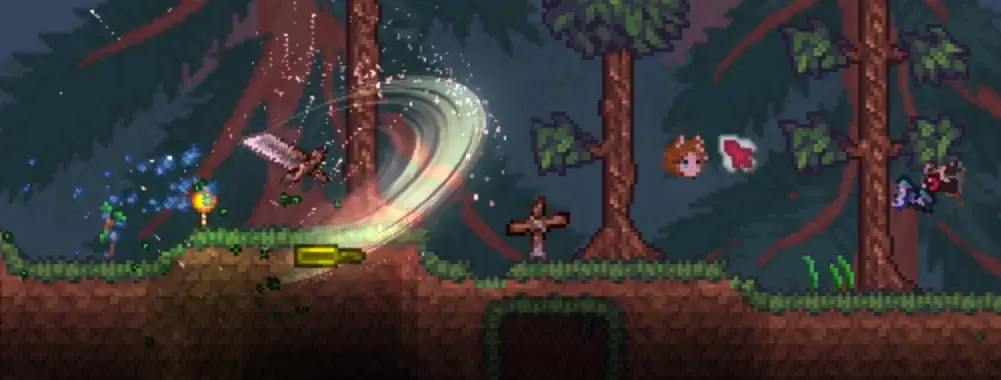
In 1.4.5, when you are defeated on a multiplayer world and you are waiting to respawn, you can spectate other players. Instead of idling, you can watch what your teammates are doing until your respawn timer ends.
This sounds small, but in practice it keeps everyone engaged during boss fights, invasions, and chaotic cave runs where deaths happen quickly.
When it matters most
Spectate is most valuable in the moments where your group is already under pressure.
Micro-scenario: Your team is learning a boss pattern. You go down early and your instinct is to tab out or check your phone. Spectate lets you keep watching the fight, notice what hits hardest, and come back in with better timing instead of feeling disconnected from the attempt.
It also helps when you are playing as a support-style teammate. If you usually handle arena building, buffs, or callouts, Spectate lets you stay useful even while you are down.
How to use it without turning it into a mess
You do not need fancy settings to get value out of Spectate. The basic idea is simple: watch what your team is doing, learn what is happening, and re-enter with a plan.
A few habits make Spectate feel natural:
First, use Spectate to answer one question, not ten. Are players dying to a specific attack? Did the arena get wrecked? Did the group split up? Watch long enough to understand, then focus on the next smart move when you respawn.
Second, be mindful of the vibe of your session. In co-op progression, calling out what you see is helpful. In friendly PvP or competitive events, some groups prefer to treat spectating as a quiet observation so it does not become ghost coaching. If you are not sure, agree on a simple rule before you start.
Third, remember that Spectate does not replace fundamentals. It makes downtime less boring, but you still want beds nearby, a safe respawn area, and a plan for re-gearing if your group is attempting harder content.
The team-based seed: royale with cheese
What it changes
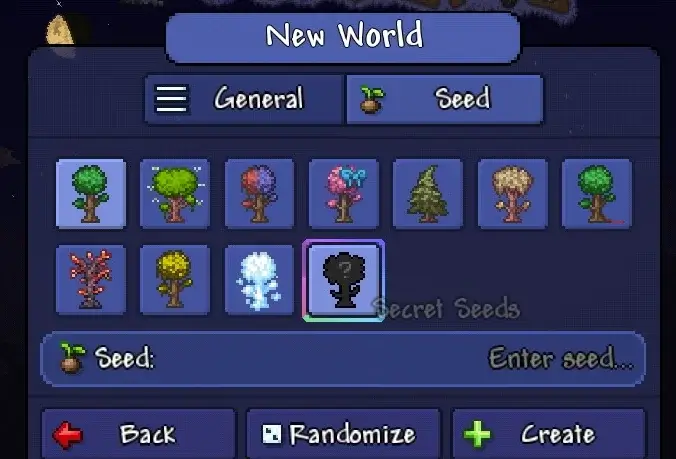
Royale with cheese is a secret seed designed for multiplayer. The core idea is that teams do not have to start on top of each other. Each team can begin in its own territory, which creates instant structure for co-op groups and makes team-based challenges feel intentional rather than improvised.
If your usual sessions turn into one big shared base and a single pile of chests, this seed is a clean way to change the story. If your group likes friendly competition, it gives you a natural framework without needing a complicated ruleset.
Who will enjoy it
This seed is a strong fit for three kinds of groups.
One, co-op teams who want separate bases but still share progress. You can build in different regions, trade resources, and still team up for bosses.
Two, teams that want a lightweight game mode. Capture-the-gem, territory wars, resource races, or any format where teams build and defend. You can keep it casual and still get a new kind of session out of the same game.
Three, groups that struggle with early-game chaos. When everyone spawns together, the first night can turn into four people running in different directions and then blaming the host when someone dies far from home. Separate starts reduce that pile-up.
A simple setup that prevents the usual difficults
Most problems with team-based starts come from not deciding the basics early.
Micro-scenario: Six friends join a new world. Half of them forget to pick a team right away, two players switch teams mid-session, and by the time the first boss happens, nobody remembers which area belongs to which team. The seed did its job, but the group never locked in the structure.
Avoid that with three quick moves:
Decide teams before the world goes live. Even if it is temporary, pick teams first.
Set a home anchor early. Beds and a basic shelter matter more in this seed because your start location is part of the point.
Agree on what is shared. Some groups share NPC housing and pylons, others treat those as team territory. Pick one approach so people do not feel blindsided later.
TIP
A quick server checklist that saves your session
You can play Terraria multiplayer in a lot of ways: local hosting, a dedicated server, or a hosted setup. The details vary, but the failure points are surprisingly consistent. Run through this checklist before you invite everyone.
- Make sure everyone is on the same game version and is able to join the same build of the world.
- Decide what kind of world this is: relaxed co-op, progression-focused, or a themed run like royale with cheese.
- Lock in basic rules: PvP on or off, whether sharing chests is allowed, and what counts as griefing.
- Protect the world file: keep a simple backup habit, especially before major bosses or big building sessions.
- Set a spawn routine: beds, a safe respawn area, and a clear meeting point so regrouping is easy.
- Assign one person to make calls when things get chaotic, even if it is just deciding when to retreat and reset.
If you only do two items from this list, do version checks and a clear spawn routine. Those two prevent the most common “why is this broken” moments.
Common mistakes and quick fixes
If someone cannot see Spectate
If a player is not seeing Spectate, the most common cause is that the session is not actually on 1.4.5 yet, or players are on mismatched versions. Confirm everyone updated and that the server or host is running the same version.
If the group keeps getting split and losing each other
This usually happens when you do not establish a meeting point. Make a simple habit: after anyone respawns, regroup at the same safe area before pushing deeper. If your group tends to scatter, use a short call like “reset at spawn” instead of trying to rescue everyone one by one.
If royale with cheese feels pointless
That usually means teams were not set up early, or everyone is still playing as if it is a shared-base world. Commit to it for one in-game day. Make beds, claim a base spot, then trade resources instead of instantly merging everything into one storage wall.
If a friend joins late and ends up confused
Give late-joiners one job and one anchor. The job can be simple, like building a safe tunnel or setting up a shared crafting area. The anchor is a bed and a sign that tells them where to meet. That keeps late joins from feeling like they missed the whole run.
FAQ
-
Is Spectate available in singleplayer?
Spectate is a multiplayer quality-of-life feature. If you are playing solo, your downtime after defeat does not work the same way, so this change is aimed at multiplayer sessions. -
Does Spectate make the game easier in a way that feels unfair?
It reduces boredom more than difficulty. You still lose time by being defeated, and you still have to re-enter safely. It mainly helps teams coordinate and learn, especially when they are still practicing fights. -
How does royale with cheese work if someone forgets to pick a team?
The seed is built around teams, so team choice matters. If someone forgets and ends up out of sync with the group, fix it early and re-anchor with a bed so they have a clear home. -
Can we switch teams later without breaking the session?
You can, but it changes the spirit of the seed. If your group wants the seed to feel meaningful, treat teams as a commitment for the session, then reshuffle next time instead of swapping mid-run. -
What is the single best thing we can do to avoid multiplayer issues?
Write down two rules and stick to them: what counts as griefing, and what is shared versus personal. Most conflict comes from mismatched expectations, not from the game itself.
Read Next
-
Best Minecraft Server Hosting 2026 – 12 Compared & Ranked Providers
Important Note: Godlike.host is our own service. This ranking is editorial (not paid placement) and follows the scoring criteria shown below. Always verify current plan limits, pricing, and regions on each provider’s website before purchasing….
-
Dead Cells, Palworld Terraria Update 1.4.5 – All New Things from the Trailer
This update comes with a Dead Cells collab, with a lot of new features from that game. Among all of the new items there are new hairstyles, new boss music, new zone backgrounds and much…
-
All Dead Cells items in Terraria 1.4.5 and How to get them
Here is all the detailed info about Dead Cells items in Terraria 1.4.5 TIP Find all Dead Cell Items in Terraria 1.4.5 update on your own Terraria Server Barnacle Staff Sentry weapon Best enchant: Fabled…