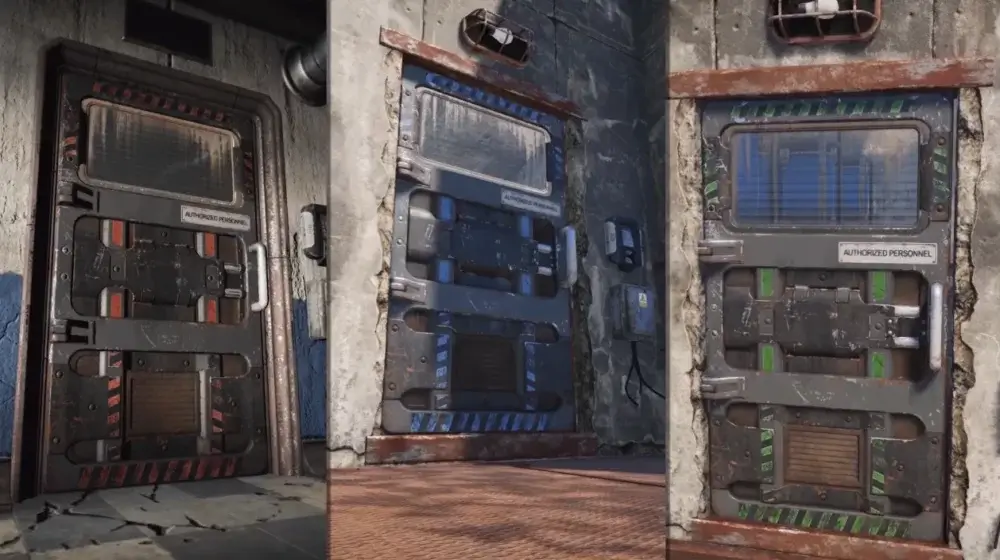
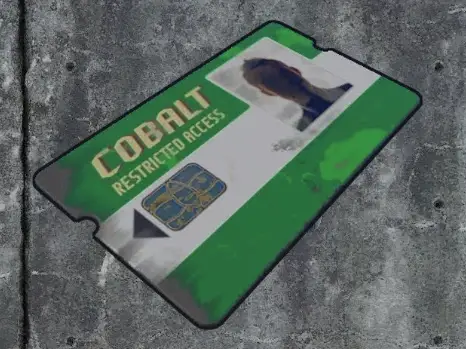
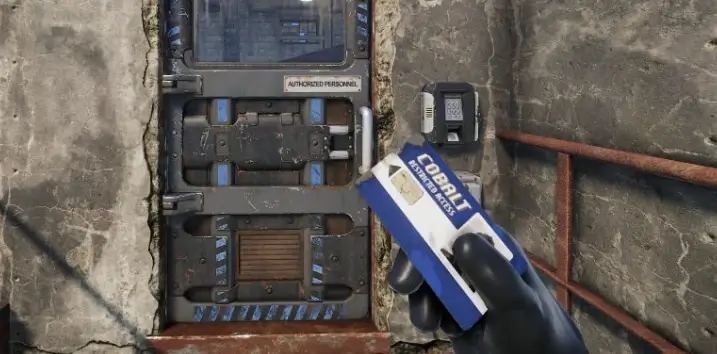
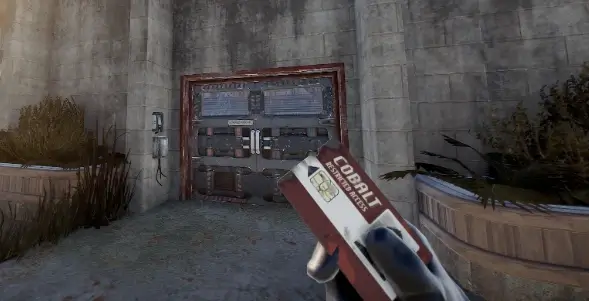
Rust keycards are a progression chain, not random loot. Green starts the puzzle loop, blue moves you into better monuments, and red opens the highest-value puzzle rooms. In most cases, you also need an electric fuse, so the card alone is not enough.
If you want the simple route, it usually looks like this: get a green card from an easy monument, turn that into a blue card through a low-tier puzzle, then use the blue card at a higher-tier monument to get a red card. Once you have red, the best monument rooms open up.
There are three access levels in Rust: green, blue, and red. Each one opens a different tier of puzzle door, and the loot usually improves as you move up the chain.
That is why experienced players do not think of keycards as separate items. They think of them as a route. A green card is useful because it becomes a blue card. A blue card matters because it becomes a red card or gets you into stronger monument rooms. A red card is the point where monument puzzles start paying out properly.
The other thing people forget is power. A lot of puzzle rooms need an electric fuse in the fuse box before the card reader works. If you reach the room without one, the run is wasted.
Rust Green keycard locations
Green keycards are the easiest ones to get and the least painful to farm. The most common early spots are Lighthouse, Oxum’s Gas Station, Abandoned Supermarket, and Junkyard. Depending on the map and monument set, players also commonly check places like Abandoned Cabins or Ferry Terminal.
This is why green cards are the “start here” card. You can usually grab one without committing to a heavy radiation route or a long monument setup.
Green cards are then used in lower-tier puzzle rooms at places like Harbor, Satellite Dish, Sewer Branch, and some green-door monument paths.
Rust Blue keycard locations
Blue keycards usually come from completing green-card monument puzzles. The classic sources are Harbor, Satellite Dish, and Sewer Branch. If you do not want to run that step manually, Outpost is often the cleaner option, because you can buy a blue keycard there for scrap.
That makes blue the flexible card. You can earn it through monument progression or skip part of the chain and buy it if your wipe path makes that more efficient.
Once you have one, blue keycards open a better tier of monument rooms, including places like Airfield, Train Yard, Power Plant, Water Treatment, Arctic Research Base, Underwater Labs, and similar higher-value puzzle routes.
Rust Red keycard locations
Red keycards come from blue-card monuments. The standard places people think of first are Airfield, Train Yard, Power Plant, and Water Treatment.
This is where monument runs stop feeling casual. These locations are busier, more dangerous, and more likely to punish sloppy routing or weak gear. Still, this is the step that matters most, because red cards are the gateway to the best puzzle rooms in Rust.
Red keycards are typically used at Launch Site, Military Tunnels, the Oil Rigs, and higher-end locked areas that are actually worth fighting over.
If your goal is efficiency, the best route is usually simple.
Start with a green card from a low-risk monument. Use that green card to complete a lower-tier puzzle and get a blue card, unless buying one at Outpost saves time. Then take the blue card into a stronger monument and turn it into a red card. After that, stop thinking about cards and start thinking about which red-card monument gives your group the best return right now.
That is the part newer players often miss. The card itself is not the reward. The room behind it is.
What players get wrong
The first mistake is treating keycards like they work by themselves. Many doors need power, which means you need the right fuse and the right route through the monument.
The second mistake is farming the wrong tier for too long. If you already have the gear and scrap to move up, do it. Sitting on a green-card loop when your wipe is ready for blue or red is just slow progression.
The third mistake is carrying a red card with no plan. Red cards matter most when you already know which monument you are going to run, what resistance or gear you need, and how you are getting out.
Conclusion
The easiest way to understand Rust keycards is to stop seeing them as separate items and start seeing them as a ladder. Green gets you moving. Blue opens the midgame monuments that actually feel worth contesting. Red is where the best puzzle rooms begin.
If your monument runs feel messy, the fix usually is not more gun skill. It is better routing. Bring the fuse, bring the right card, and know which room you are heading for before you step inside.
FAQ
Where do you get a green keycard in Rust?
Green keycards usually come from easier monuments such as Lighthouse, Oxum’s Gas Station, Abandoned Supermarket, and Junkyard. They are the standard first step in the Rust keycard progression path.
How do you get a blue keycard in Rust?
Blue keycards are commonly earned through green-card puzzle monuments like Harbor, Satellite Dish, and Sewer Branch. You can also usually buy one at Outpost if that is faster for your wipe route.
Where do red keycards spawn in Rust?
Red keycards usually come from blue-card monuments such as Airfield, Train Yard, Power Plant, and Water Treatment. Those runs are riskier, but they unlock the strongest monument puzzle rooms later.
Do you need a fuse for Rust keycard puzzles?
Yes, very often. Many Rust keycard doors require an electric fuse in the fuse box before the card reader works, so bringing the card without a fuse can waste the entire run.
What monuments need a red keycard in Rust?
Red keycards are typically used for top-tier monument puzzle rooms, including Launch Site, Military Tunnels, the Oil Rigs, and other high-value locked areas depending on the monument route.
Itskovich Spartak
Game Content Writer
A dedicated Game Content Writer who creates clear engaging articles and guides for gamers. Experienced in explaining game mechanics, server features and community topics in a way that feels accessible and enjoyable to read. Focuses on delivering content that helps players make decisions, discover new possibilities and get more from their favorite games. Combines a reader friendly style with a strong understanding of what interests modern gaming communities.
Important Note: Godlike.host is our own service. This ranking is editorial (not paid placement) and follows the scoring criteria shown below. Always verify current plan limits, pricing, and regions on each provider’s website before purchasing….
If you’ve spent more than a few hours in Rust server hosting, you already know that staying alive isn’t just about stacking guns and meds. That’s where CCTV cameras come in. Whether you’re aiming to…
Rust Staging Branch Rust server hosting is a constantly evolving game, with developers regularly introducing new features, fixing bugs, and adjusting game balance. Before these updates make it into the live version, they go through…



 en | USD
 CHAT WITH GODLIKE TEAM