

 en | USD

 CHAT WITH GODLIKE TEAM




Minecraft Mods (1.21): Best Mods, Modpacks, and How to Install (Fabric, Forge, NeoForge)

- 11 min read
- 10767 views
- 3 likes
TL;DR
For a full breakdown of providers, pricing, and performance, check this resource.
In Minecraft server hosting Java mods are .jar files loaded by Fabric, NeoForge (modern Forge fork), Forge, or Quilt. Put the mod in the /mods folder for the chosen profile.
Minecraft: Java Edition is the original PC version; Minecraft: Bedrock Edition runs on C++ and uses Add-Ons (resource + behavior packs).
Client-side mods change visuals/UI; server + client mods change gameplay for everyone. In single-player, the client also hosts the server.
Download from trusted hubs (Modrinth/CurseForge). Mods are community-made and not officially supported by Mojang; always check the version and loader.
Want a smooth start? Use Sodium + Iris for FPS/shaders, JEI for recipes, JourneyMap for navigation, Waystones for fast travel, and one showcase content mod (e.g., Create).
Hosting a modded server is easiest on a provider that supports loaders and modpacks. For top providers, setup tips, and one-click modpack support, check out Best Modded Minecraft Server Hosting (2026).
For aspiring Minecraft modders looking to develop their skills, CodaKid offers a comprehensive learning platform worth exploring. Their structured video tutorials guide students through creating custom items, mobs, and dimensions using Java, the programming language behind Minecraft itself. The platform also provides access to experienced coding instructors who offer support throughout the learning process.
TIP
How Minecraft modding works
Mod = add-on that changes the Minecraft world (blocks, mobs, tools, UI).
Loaders:
- Fabric – lightweight toolchain; fast updates; uses an intermediary API aimed at stability for developers and Quilt.
- NeoForge/Forge – long-running ecosystem with huge libraries; many multiplatform mods publish for both Fabric and NeoForge/Forge.
- Quilt – community fork compatible with many Fabric mods.
Install flow: install Java → install a loader → create a game profile → drop mods into /mods → launch. For servers, match server and clients.
Modpacks bundle dozens of mods into one download with fixes and configs pre-applied.
NOTE
Mods have been used as an attack vector. Only download from reputable pages, keep backups, and review comments/changelogs before you download
The Curated List: 32 Great Mods
A) Performance & FPS (favorite performance mods)
Sodium (Fabric/Quilt) - modern renderer that improves performance dramatically; replaces chunk/block rendering to increase frame rates and reduces memory usage on many setups.
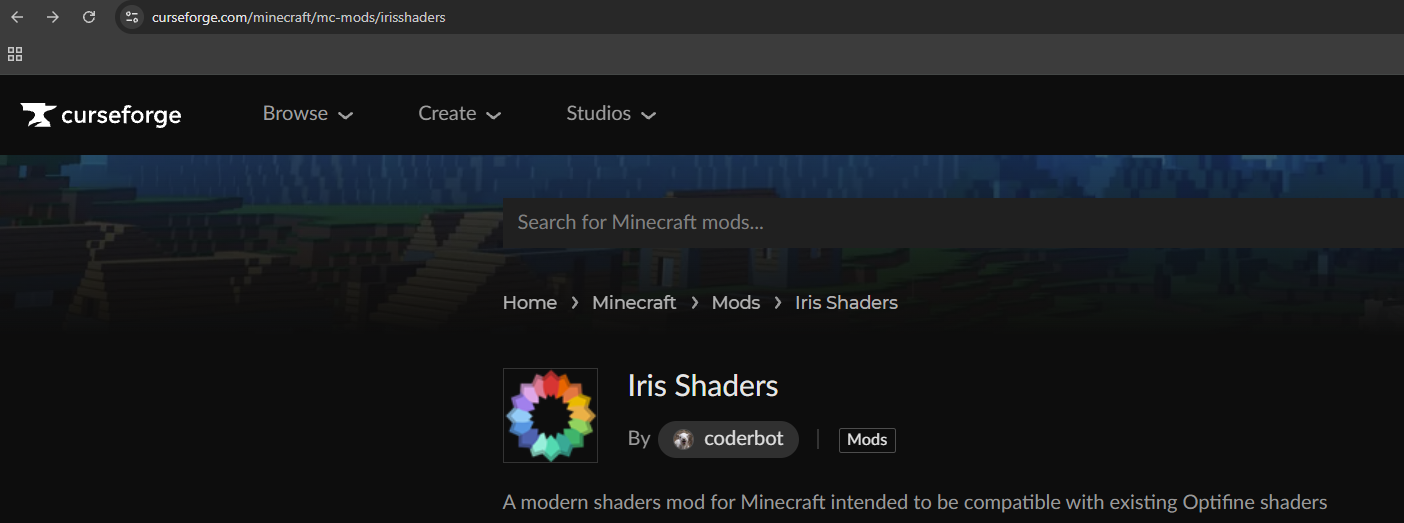
Iris Shaders (Fabric/Quilt) - works with Sodium to enable custom shader packs; OptiFine-style visuals without OptiFine.
OptiFine (stand-alone) - classic mod Minecraft visual suite; still popular for shaders and HD textures, but check version/compatibility with other mods.
Entity Culling (Fabric/NeoForge/Forge) - skips drawing entities you can’t see; big gains in mob farms and bases.
FerriteCore & Memory Leak Fix - lower memory usage and stutters in large modpacks.
Starlight - faster light engine; smoother worldgen lighting.
NOTE
For public Minecraft servers, pair a performance client set (Sodium/Iris/Jade) with server-side optimizers and periodic world maintenance. Godlike.Host instances make it easy to test changes before promoting to live
B) Utility & Client-Side QoL
Just Enough Items (JEI) - shows recipes and item uses in-game (no crafting table open required).
JourneyMap - map + minimap; set waypoints, see entities; great for exploration.
Waystones - craftable teleport network suited for SMP worlds; configure costs for balance.
Jade (WTHIT fork) - block/entity info overlay; perfect for modded blocks and entities.
Mouse Tweaks - faster inventory management, drag-to-move stacks.
Controlling - keybind search to fix conflicts in large modpacks.
AppleSkin - shows food saturation/hunger, handy for food management.
NOTE
Explore patch highlights, tips, and spawn mechanics in Minecraft Mounts of Mayhem: Spear, Nautilus & Zombie Horses
C) Building & Tools
WorldEdit - creator-grade brush/selection tools to build structures at scale (great for servers and projects).
Macaw’s (Bridges/Doors/Roofs/Windows) - aesthetic blocks and new blocks for builders.
Supplementaries - décor & redstone-adjacent gadgets that feel vanilla.
Chisel & Bits (where available) - micro-blocks for custom style and detail.
D) Exploration, Biomes & Adventure
Biomes O’ Plenty - dozens of biomes; trees, blocks, plants; big change in overworld variety.
YUNG’s Better set (Dungeons, Strongholds, Mineshafts, End/Nether reworks) - handcrafted structures with loot and challenge; great for adventure.
Alex’s Mobs - 80+ creatures with unique drops and behaviors; adds life to worlds.
The Twilight Forest - classic dimension with boss progression and a legendary feel.
When Dungeons Arise - colossal adventure structures, towers, airships, more.
Nature’s Compass - search and discover any biome; pairs perfectly with Waystones.
TIP
E) Tech & Mechanical Modding
Create - kinetic mechanical contraptions (shafts, belts, trains); automation powered by rotational energy; incredible showcase builds.
Mekanism - advanced machines, resource processing, gas systems, energy networks; late-game tech playground.
Applied Energistics 2 - ME digital storage; crafting networks for mega-bases.
Refined Storage - a simpler, grid-based alternative to AE2 for item/fluids.
Industrial Foregoing / Thermal Series - classic automation, tools, weapons add-ons, and processing lines.
F) Magic & Vanilla-Plus
Quark - modular tweaks that enhance the vanilla Minecraft experience without overhauling gameplay; hundreds of small, toggleable features.
Ars Nouveau - spell system with automation; magical constructs can install spells to farm, move items, and more.
Botania - nature magic using flowers, mana, and clever mechanics that reward experimentation.
Farmer’s Delight- cooking, crops, tools, kitchens deepens survival gameplay loop.
IMPORTANT
Running a community server? Many of the above are multiplatform mods with Fabric and NeoForge/Forge builds. Godlike.Host supports both loaders and one-click modpack deploys
Fabric vs Forge vs NeoForge vs Quilt (for new players)
Fabric - fast updates, modular libraries, intermediary API aimed at developer stability; many client side mods start here.
NeoForge - maintained continuation of Forge for 1.20+ with better developer experience; huge “classic tech” ecosystem.
Forge - the original loader with a massive back catalog; plenty of mods still target it.
Quilt - community-driven fork compatible with many Fabric mods.
Rule of thumb: pick the loader that your top three mods target; don’t mix loaders in one profile.
Java vs Bedrock: Mods and Add-Ons
Java Edition: full modding via loaders; client or server or both.
Bedrock Edition: official Add-Ons (Resource + Behavior packs) change looks and mob behaviors; you can create items/blocks with Item Wizard and Block Wizard; free and paid Add-Ons exist in the Minecraft Marketplace.
Add-Ons let players customize skins, entities, blocks, and items without editing C++ source.
Texture packs (resource packs) change visuals only; not the same as a gameplay mod.
Installing mods (step-by-step)
1) Choose a loader (Fabric / NeoForge / Forge / Quilt) suited to your target mods.
2) Download the loader installer and create a profile.
3) Browse a trusted page, search mods, and download the version that matches your Minecraft version and loader.
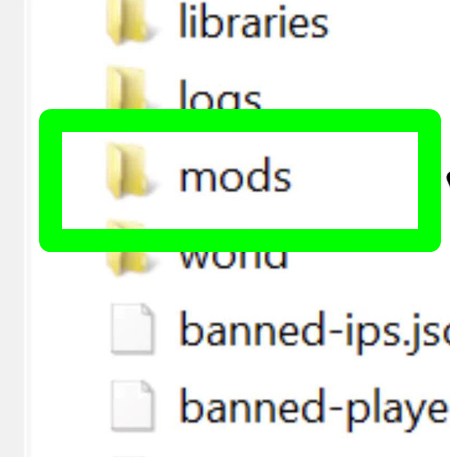
4) Drop the .jar into the /mods folder (client or server).
5) Launch; fix many bugs by adding dependencies (Fabric API, Balm, Architectury, GeckoLib) and keeping versions aligned.
6) For servers, upload the same set to the server’s /mods and keep players synced.
7) Prefer modpacks if you want all-in-one mod convenience; they ship with configs, fixes, and balance tweaks.
TIP
Pro server tip: Keep a staging instance with the same JVM flags to test updates weekly. Godlike.Host lets you clone a live world to a test server in minutes
Suggested starter stacks
Vanilla-Plus (lightweight, suited for SMP): Sodium, Iris, JEI, JourneyMap, Waystones, AppleSkin, Jade, Quark, YUNG’s Better Dungeons.
Tech Builder: Create, Mekanism (check version), AE2/Refined Storage, Industrial Foregoing, WorldEdit, Supplementaries, Controlling.
Adventure & Explore: Biomes O’ Plenty, Alex’s Mobs, Nature’s Compass, Twilight Forest, YUNG’s suite, Waystones, Xaero/ JourneyMap.
Family/Low-Spec: Sodium, Entity Culling, FerriteCore, AppleSkin, Waystones, Macaw’s Bridges/Doors, Farmer’s Delight.
Notes on compatibility & versions
- Always align version ↔ loader ↔ mod. Many creators maintain both Fabric and NeoForge/Forge builds (true multiplatform mods).
- If a mod feels “stuck,” check the issue tracker and try the most recent release or preview build.
- Keep libraries updated first; mis-matched libraries cause most installed crashes.
- Back up savegame files before big changes; some mods add entities and worlds you can’t remove cleanly later.
Full Minecraft Mods FAQ
Basics
What are Minecraft mods?
Community-made add-ons that change or expand Minecraft: Java Edition new blocks, mobs, tools, UI, performance tweaks, or entire game systems.
Java mods vs Bedrock Add-Ons, what’s the difference?
Java uses loaders and .jar files. Bedrock uses official Add-Ons: Resource + Behavior packs that customize visuals and mob behavior.
Do I need Fabric, Forge, NeoForge, or Quilt to run mods?
Yes. A mod loader initializes and manages mods; install one loader profile and place .jar files in the /mods folder.
Can I run mods without a loader?
No. Java mods require a compatible loader version that matches your Minecraft version.
What are client-side mods?
Mods affecting only your client FPS, UI, maps, shaders. They don’t change server gameplay unless the server requires them.
What is a modpack?
A curated bundle of mods with configs and fixes, installed together for convenience and compatibility.
Are texture packs the same as mods?
No. Resource/texture packs change visuals and sounds only. Mods change code-level behavior and add features.
Are plugins the same as mods?
No. Plugins (e.g., Bukkit/Spigot/Paper) extend servers without client mods. Mods require a loader and often client files.
Installation & Versions
How do I install a Java mod?
Install a loader, create its game profile, download a matching mod version, drop the .jar into /mods, then launch.
Where is the /mods folder?
In the loader profile’s game directory. Launch once to generate it, or create the mods folder manually.
How do I pick the right versions?
Match Minecraft version ↔ loader version ↔ mod version. Mismatches cause most crashes.
How do I update installed mods safely?
Back up your world, update libraries first (Fabric API, Architectury, Balm), then update content mods in small batches.
Performance
What are favorite performance mods?
Sodium for FPS, Iris for shaders, Entity Culling for rendering, FerriteCore and Memory Leak Fix for memory usage.
Do shaders work with Sodium?
Yes, with Iris Shaders, which enables OptiFine-style shader packs on Fabric/Quilt.
How do I reduce memory usage in big modpacks?
Use FerriteCore/Memory Leak Fix, prune heavy mods, and avoid over-allocating RAM; more isn’t always faster.
Compatibility
Can Fabric mods run on Forge or NeoForge?
Usually no. Many projects publish separate builds; install the build for your chosen loader.
Can I mix loaders in one profile?
No. Use one loader per profile to avoid conflicts and crashes.
What is Quilt?
A community fork largely compatible with Fabric mods, offering additional tooling and libraries.
The game crashes on startup, what now?
Read the latest log, add missing dependencies, remove the last mod added, verify versions, then relaunch.
Servers & Multiplayer
Do players need the same mods as the server?
For gameplay mods, usually yes. Some QoL/client-side mods are optional; follow the server’s list.
Can I join a modded server with a vanilla client?
Only if the server runs server-side plugins/mods that don’t require client files. Most modded servers need client mods.
Where can I host a modded server easily?
Use a host with loader support and one-click modpacks. Godlike.Host supports Fabric/NeoForge/Forge and curated packs.
How do I choose a modpack for friends?
Pick a pack suited to your PCs: Performance-light for low specs; kitchen-sink for powerful machines; read the included fixes and requirements.
Safety & Legality
Are mods officially supported by Mojang?
Mods aren’t officially supported but are allowed. Always use trusted sources and keep backups.
Are mods safe to download?
Use reputable hubs (Modrinth/CurseForge), avoid random links, check comments/changelogs, and scan files before installing.
Why do people say installing mods is complicated?
Version matching, dependencies, and loaders can confuse newcomers. Modpacks simplify setup dramatically.
Read Next
-
Best Minecraft Server Hosting 2026 – 12 Compared & Ranked Providers
Important Note: Godlike.host is our own service. This ranking is editorial (not paid placement) and follows the scoring criteria shown below. Always verify current plan limits, pricing, and regions on each provider’s website before purchasing….
-
Minecraft 1.21+ Seeds Worth Trying (Cherry Villages, Dungeons, and Beauty)
TL;DR If you want one seed that feels like a complete starter world, pick Cherry Valley Trio (Seed: 608548899648438462) for villages, deep structures, and a strong exploration route.If you want a dramatic build location with…
-
What Y Level is Best for Diamonds in Minecraft (1.20 -1.21)
Ultimate Minecraft Diamonds Mining Guide Why are diamonds so wanted by many? Minecraft Diamonds – shiny blue gems in the world of Minecraft that also happen to be the ore required to have the best…