

 en | USD
 CHAT WITH GODLIKE TEAM




Hytale Mobs Guide (Early Access): How Many, How They Attack & How to Survive
- 8 min read
- 481 views
- 0 likes
TL;DR
Hytale server hostings creatures fall into three practical buckets: peaceful (safe), retaliative (safe until you start something), and hostile (they start it). Early on, you do not need to memorize every mob name. You need to recognize attack styles fast: rushers, ranged kiters, summoners, and heavy hitters.

If fights keep going sideways, fix these three things first:
1) stop fighting in tight corners,
2) reset your spacing after short bursts,
3) save charged hits for real openings.
TIP
A quick Early Access reality check
Hytale is in Early Access. Creature behavior, numbers, and even which mobs show up where can shift between patches. What stays reliable is the rhythm of combat: how enemies telegraph, how groups stack on you, and how you create safe moments to heal or deal damage.
Treat this guide like a field manual: learn the patterns, then confirm the details in your current build.
How mob behavior works (in plain English)
When you meet a new creature, the most important thing is not its name. It is its disposition.
Peaceful: ignores you, flees, or simply exists in the world.
Retaliative: usually backs off, but turns hostile if attacked or provoked.
Hostile: engages on sight or very quickly once you enter its range.
This matters because beginners often cause accidental chain fights. Hit the wrong retaliative creature near a group, and suddenly you are fighting the entire local population.
The four attack styles you should learn to spot
Most danger in Hytale comes from how enemies behave, not how hard they hit.
1) Rushers

They run straight in, force close combat, and try to stay on your side or behind you. If you keep backpedaling in a straight line, they will keep you under pressure.
What beats them: short hits, then step out. Use terrain to widen the fight, not to trap yourself.
2) Kiters and ranged pokers
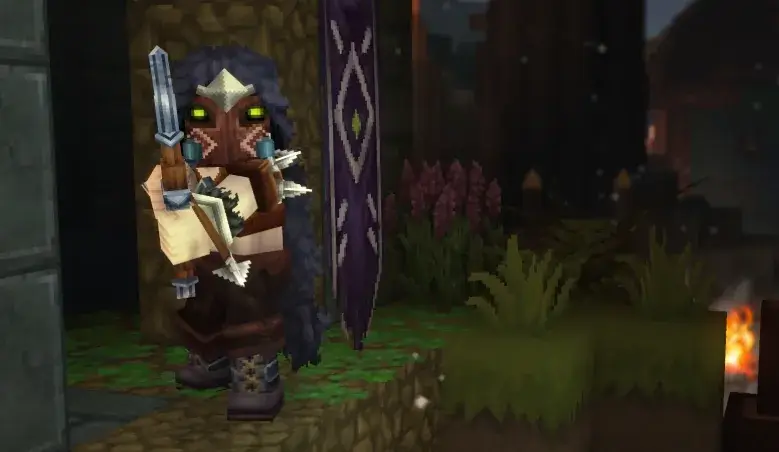
These enemies back away while throwing or shooting. If you chase thoughtlessly, you walk into extra hits. If you do nothing, you get chipped down.
What beats them: break line of sight, push in during reload or retreat windows, and do not sprint at them in a straight line.
3) Summoners
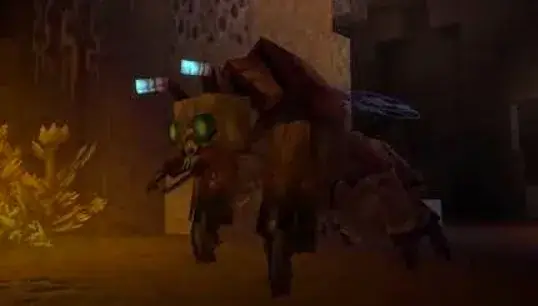
These are the fights that suddenly feel unfair. The boss or caster stays safe while spawning helpers that swarm you.
What beats them: clear space first. Remove the adds, then re engage. If you tunnel the summoner while surrounded, you usually lose.
4) Heavy hitters
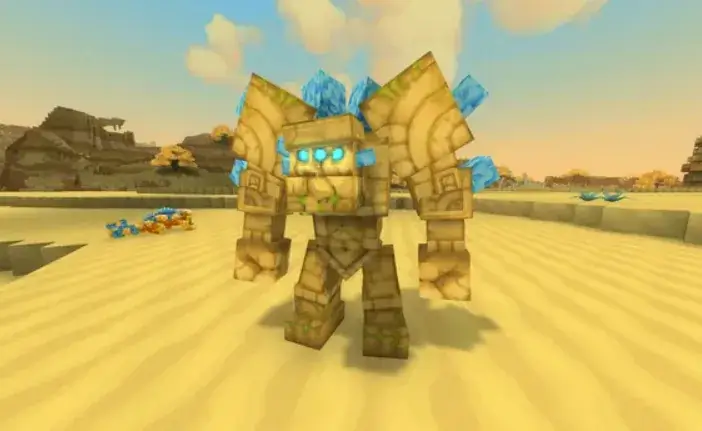
Slow wind ups, big swings, stomps, spins. They punish panic. They also punish greed.
What beats them: wait out the big move, then punish the recovery. Charged hits belong here, not in messy crowd fights.
TIP
Your best early habit: the reset
If you only steal one habit from this article, make it this:
Hit in a short burst, then reset your spacing.
That reset can be a step back, a block, a sprint to open ground, or a simple pivot around an obstacle. The point is to stop taking trades you did not agree to.
Zone field notes: what you will meet and what it wants to do to you
Hytale’s main zones ramp up difficulty. Even if your world generation is different, the creature themes stay recognizable.
Zone 1 (Emerald Wilds)

This is where most players learn the rules. You will see plenty of wildlife, plus early hostile groups.
Typical threats:
-
Trorks: aggressive humanoid enemies that mix melee rushdown with ranged pressure. Many try to flank instead of standing in front of you.
-
Giant spiders and cave threats: caves are where beginners get surprised by poison and cramped angles.
-
Bears: straightforward pressure, but dangerous if you fight them on bad terrain.
What usually gets new players here: fighting near trees, rocks, or narrow slopes so you cannot reposition.
Zone 2 (Howling Sands)
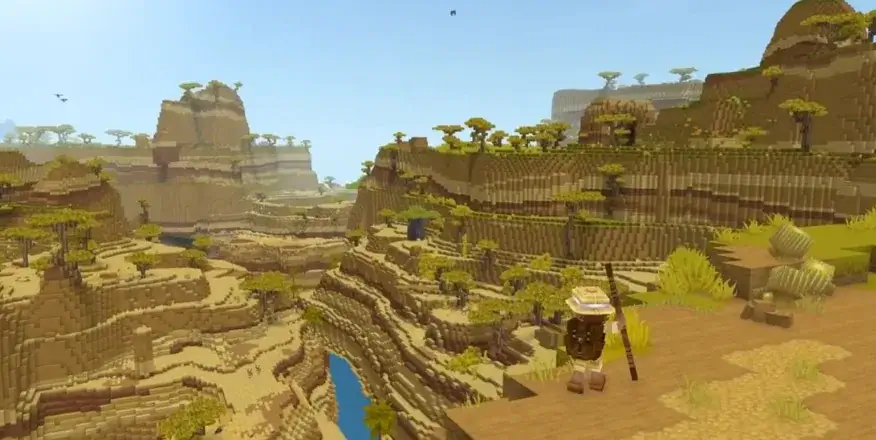
The desert is visually open, but combat is not always easier. You start seeing more enemies that poke from range, plus undead themes around ruins.
Typical threats:
Sand skeleton variants: archers and mages pressure from distance while backing away.
Scarak style encounters: poison projectiles and multi enemy pressure can show up once you push into the wrong area.
What usually gets new players here: chasing ranged mobs across open ground with no plan to close distance.
Zone 3 (Whisperfrost Frontiers)

Cold survival pushes you to move with purpose. You can also run into tougher humanoid enemies that mix ranged and melee.
Typical threats:
Outlander groups: several variants kite, swap weapons, and sometimes bring extra enemies into the fight.
Wolves and polar wildlife: fast pressure in terrain that already punishes mistakes.
What usually gets new players here: fighting while cold, low on food, or slowed by terrain.
Zone 4 (Devastated Lands)
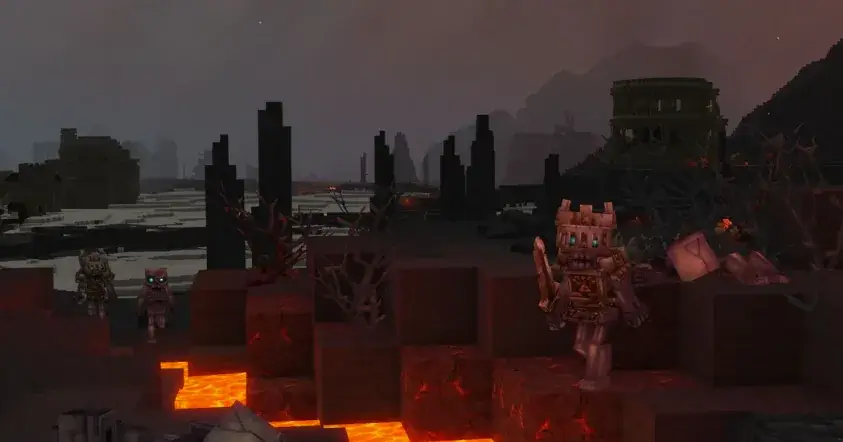
This zone is built to punish comfort. Expect stronger enemies, harsher environments, and fights that are harder to reset.
Typical threats:
Elemental golem style enemies: heavy melee pressure with wide area attacks that punish staying too close.
Underground jungle predators: aggression ramps up, and spacing becomes harder.
What usually gets new players here: treating it like a normal biome instead of a high risk expedition.
TIP
Practical bestiary: common fights and how to win them
This section is meant for alt tab moments. You do not need every mob. You need the ones that repeatedly cause wipes.
Trork packs (Zone 1 threat spike)
Trorks tend to be aggressive, and some variants fight from range while backing up.
How to deal with them:
-
Do not let ranged variants pull you into a bad spot. Break line of sight and force them to come closer.
-
Watch for flanks. If you are getting hit from the side, you are standing still too long.
-
If wolves join the fight, clear them early. Small fast enemies ruin your spacing.
Outlander groups (Zone 3 pressure fights)
Outlanders often mix ranged attacks and weapon swaps. Some variants call in extra threats.
How to deal with them:
-
Take cover to reduce ranged chip damage.
-
Close distance during their retreat rhythm, not whenever you feel impatient.
-
If you see summons or extra enemies appear, reset the fight. Clear adds, then re engage.
Scarak style swarms (poison and adds)
These fights overwhelm beginners because you feel attacked from every direction.
How to deal with them:
-
Prioritize the swarm first. If small enemies are on you, your healing and stamina disappear fast.
-
Keep moving, but move with intent. Circling in a tight loop is how you get boxed in.
-
Save your heavy commits for when the area around you is clear.
Cave spiders and poison bites
Poison changes the math. You can win the fight and still die if you ignore the damage over time.
How to deal with them:
Do not fight them deep in narrow tunnels if you can avoid it. Pull them into a wider room.
If you take a poison hit, stop trying to be heroic. Create space, stabilize, then finish.
Golems and spinning attacks
Golems are the classic heavy hitter: big punches, big presence, wide attacks.
How to deal with them:
-
Stay calm. Most damage comes from panic rolling into the danger zone.
-
Step out of the big move, then punish the recovery.
-
If it starts an area style spin, treat it like a hazard. Give it room instead of trying to out trade it.
Void threats (ranged plus summons)
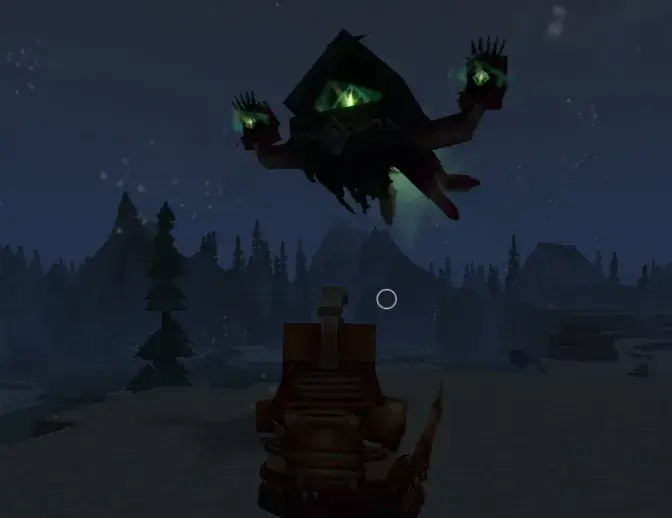
Void encounters often combine an aerial ranged attacker with grounded melee pressure.
How to deal with them:
-
Do not tunnel the flying threat while crawlers swarm you. Clear space first.
-
Fight near terrain that gives you an escape route and cover.
-
If you cannot reach the airborne enemy safely, focus on survival until it gives you a window.
Use Memories like a real bestiary
Hytale’s Memories system functions as a bestiary style progression tracker. That is useful for two reasons:
- it helps you identify what you have actually encountered, and
- it gently pushes exploration without relying on external lists.
If your goal is learning mobs, unlock and use it early. You will spend less time guessing and more time recognizing patterns.
FAQ
-
Which mob types are the most dangerous early on?
Heavy hitters and summoners. Heavy hitters punish mistakes with big damage, and summoners turn a clean fight into a messy one fast. If you’re undergeared, treat them as avoid-or-reset encounters. -
What’s the safest way to deal with ranged enemies?
Break line of sight first, then close the gap on your terms. Use terrain, corners, and short sprints so you don’t eat free hits while you approach. -
When you face a summoner, do you focus the adds or the summoner?
If the summoned mobs are low pressure, push the summoner to stop the flow. If the adds are already surrounding you, clear a safe pocket first, then re-engage the summoner. -
Do mob spawns and difficulty change depending on where you are?
Yes. Biomes, structures, and higher-risk areas tend to introduce more punishing kits and mixed groups. If fights start snowballing, back out, reset, and return with a clearer plan.

Read Next
-
Best Minecraft Server Hosting 2026 – 12 Compared & Ranked Providers
Important Note: Godlike.host is our own service. This ranking is editorial (not paid placement) and follows the scoring criteria shown below. Always verify current plan limits, pricing, and regions on each provider’s website before purchasing….
-
15 Hytale Systems You’ll Feel in Every Adventure
Hytale looks like a sandbox adventure game you can sink a decade into. But the real reason the hype never fully died isn’t only the art style or the Minecraft meets RPG pitch. It’s…