Dripstone is a relatively new addition to the game, which was added in version 1.17 in “Caves & Cliffs: Part I” update. This includes dripstone block and a pointed dripstone, which can both be found in dripstone and lush caves. Beyond the cool looks, lies a variety of ways to utilize dripstone: infinite lava farm, dripstone farms, fall damage traps and an incredible decoration. All of this is just a quick rundown about the topic and we promise there’s way more ahead, so stick with us through this article to find out everything you need to know about the dripstone.

Make your own FREE minecraft server
MINECRAFT FREE SERVER
What is Dripstone in Minecraft?
Dripstone is a geological structure generated in Minecraft underground. It comes in 2 forms:
- Dripstone block: Solid, full blown block, usually serves as the foundation for the other part of the structure, it makes up the floors and ceiling of dripstone caves.
- Pointed dripstone: Sharp, spike-like piece that grows out of the dripstone block. They can hang from the ceiling as stalactites or point up from the ground as stalagmites.
While those geological structures looks beautiful and add a very nice atmosphere to the caves, you should also remember that they are dangerous. Stalactites can fall and crush anything underneath them, falling onto the stalagmite significantly increases the fall damage. This block is both useful and very dangerous.
Where to Find Dripstone
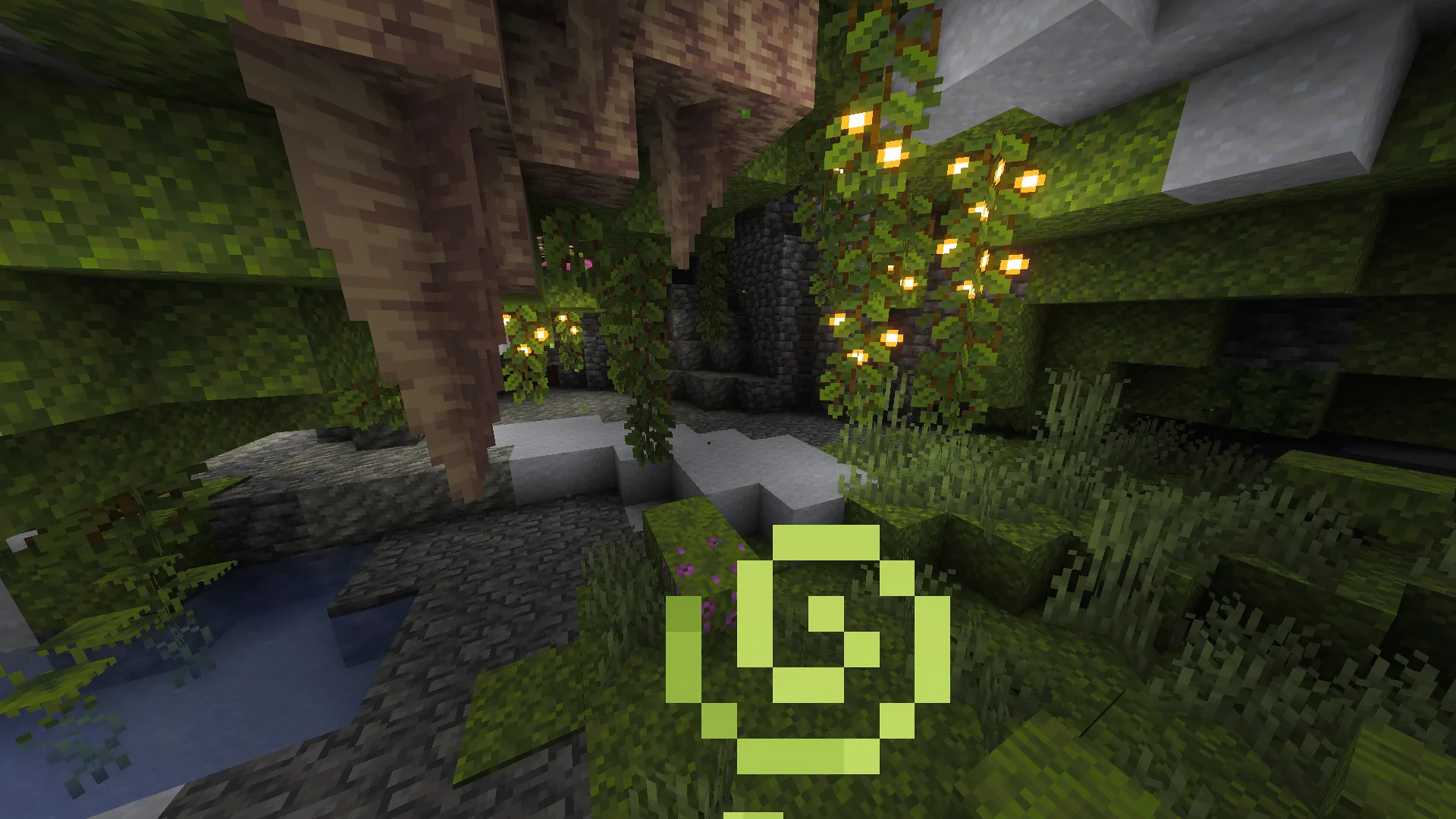
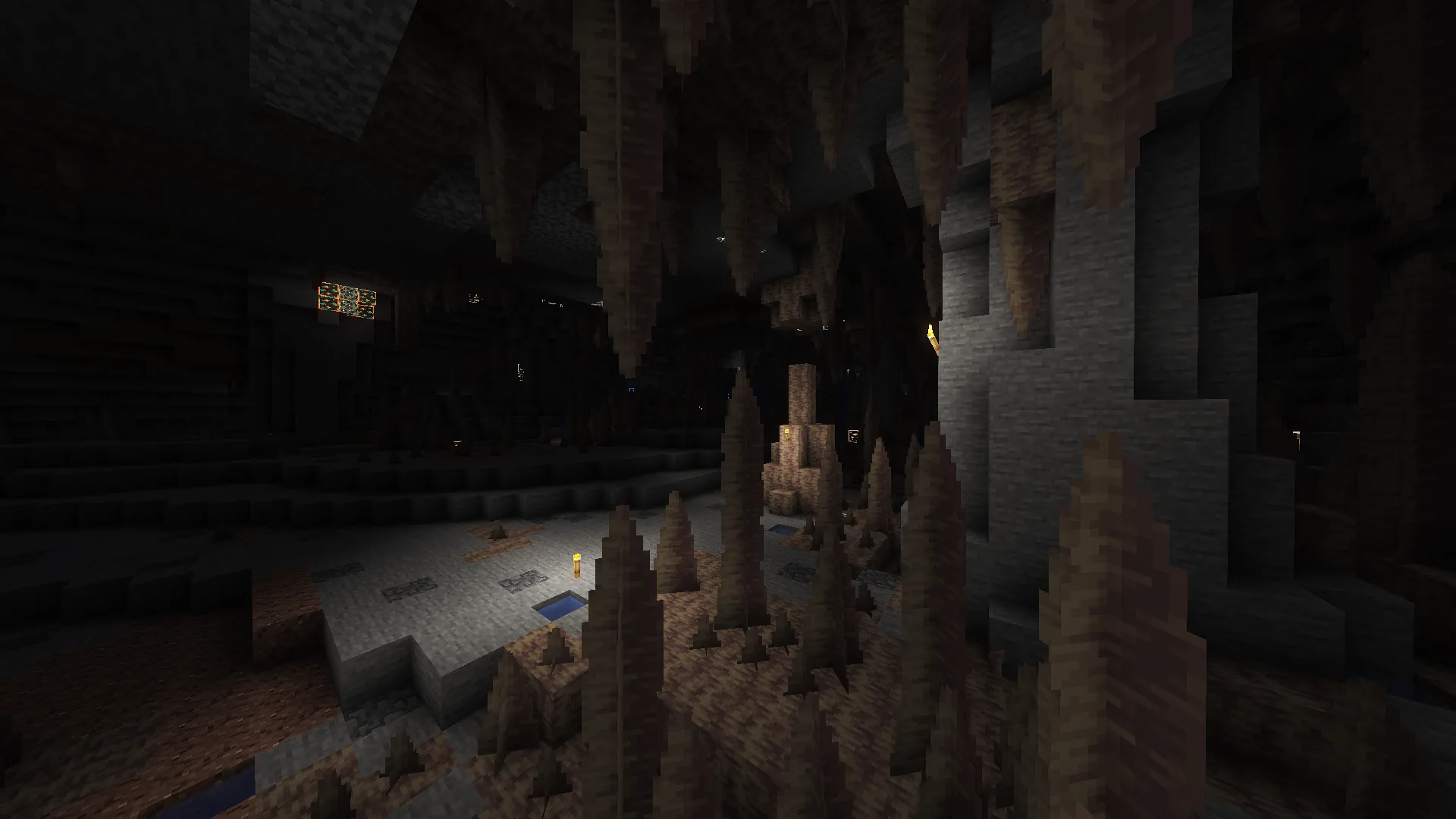
The easiest place to find these blocks is inside the dripstone caves. This specific cave biome is characterized by massive pillars, cluster of pointed dripstone and a large underground ravines. Usually they are not that hard to find, so there shouldn’t be much problems with that.
Some things to keep in mind about dripstone caves:
- You will often find small pools of water or lava naturally generated in this biome.
- Cooper ore spawns in great amount in dripstone caves, making them a great place to farm it.
In case you did ran into issues while looking for the biome yourself, you can always check out our Seed Map tool, that will help you locate any biome or structure just by entering your worlds seed , game version and edition.
How to Collect Dripstone Safely

Mining dripstone requires a bit of focus and spatial awareness, since you need to watch out for accidental stalactite falls, hostile mobs and how to not accidentally fall onto the stalagmite yourself. Good new though, the process of mining itself is very straight forwards, as both dripstone blocks and pointed dripstone can be mined with any pickaxe. Here’s some tips on how to collect dripstone safely:
- Don’t stand directly underneath the stalactite: If you accidentally break the block that hold the pointed dripstone the stalactite will fall and crush you. You might not die, if the fall wasn’t that big, but you will take a very significant amount of damage regardless, making you an easy target for hostile mobs.
- Light cave up: Dripstone caves are massive and dark places, making them a perfect place for hostile mobs to spawn. Light up the are to prevent any hostile mobs from interrupting and to see better, as falling on a stalagmite will hurt.
- Watch your step: Like it was mentioned before, falling on a stalagmite hurts. The situation here is the same as with stalactites falling on you — you might not die, but taking so much damage is not a good thing regardless.
Dripstone Block VS Pointed Dripstone
As of now, we've been constantly noting whether we talk about dripstone block or pointed dripstone, all due to the big differences between the blocks, especially when it comes to building farms. So, here's a quick table noting those difference to clear up any remaining confusion:
| Feature |
Dripstone block |
Pointed Dripstone |
| Type |
Full solid block |
Sharp, non-solid block |
| Primary use |
Building, decoration, base for growing more dripstone |
Infinite lava/water farms, traps, damage mechanisms |
| Damage |
None |
High damage in case player falls on stalagmite or stalactite falls on the player |
| Lava Farm |
Required as the supporting block above |
Required to actually drip the liquid |

How to Make a Dripstone Lava Farm
One of the most useful feature of dripstone in the game is the ability to create an infinite lava farm. Why would you need lava in so many amounts? Lava can be used as fuel for the furnace, not only that, it's the most long lasting fuel there is, which you can get infinitely, with 0 effort using this farm!
To make this infinite lava farm, simply follow the steps below:
- Place empty cauldrons where you want to build the farm
- Build dripstone support. For that, place dripstone block exactly 2 blocks directly above the emptry cauldron, leaving 1 block of air between the dripstone support and an empty cauldron.
- Attach pointed dripstone. Assuming you already have pointed dripstone mined, place it on the dripstone block, facing down to the cauldron.
- Add lava source. On top of the dripstone block, place lava source. Just make sure to build a sort of "tub" so that the lava won't flow in every direction.
- Done, now you just need to wait for the cauldrons to fill, collect the lava! Then repeat it as much as necessary.
Why Your Dripstone Lava Farm is Not Working
In case you've ran into trouble and your lava farm doesn't work, here's some common mistakes you might've made:
- Flowing lava: The lava source directly above the dipstone block must be a static lava source. If you placed one lava source and i filled the other place with flowing lava, those cauldrons that have flowing lava above them will never fill, despite lava visually dripping from the stalactite.
- Misalignment: The pointed dripstone must be placed directly above the cauldron and facing down to it.
- Impatience: Dripstone lava mechanics are incredibly slow and entirely random based on random tick speed. A cauldron can take anywhere from a few minutes to an in-game hour to fill. Just build it, leave it in loaded chunks (this is crucial as well, because if the chunk is not loaded, nothing is happening and the farm won't work either.), and go do something else.
- Wrong block: Make sure you haven't accidentally used different block for the support of the pointed dripstone. It simply must be a dripstone block.
How to Farm Pointed Dripstone

To farm pointed dripstone, you don't need to go mining to the dripstone caves over and over again. You can farm it in a renewable way. Remember the lava farm we discussed just a few moments ago? Well if you replace lava source with water source instead, remove the cauldrons all together and leave for space for the stalactites, over time they will start growing. Although keep in mind that just like with the lava farm, the growth process is very slow.
Dripstone Traps and Fall Damage
Due to the nature of pointed dripstone and it's insane damage when falling on top of the entity, or entity falling on top of it, pointed dripstone is widely used for traps and mob farms. Here's how it work in more detail:
- Falling Stalactites: A falling pointed dripstone deals damage based on how far it fell. You can trigger the fall using pistons to break the support block or by throwing a trident. This leave an enormous room for players to create all sorts of elaborate mechanisms.
- Spike Pits: If a player or mob falls onto an upward facing pointed dripstone, the standard fall damage is multiplied, making even short fall lethal. Placing these at the bottom of mob farm ensures mobs die instantly upon impact, even if they have a lot of HP / armor. Spike pits are also commonly used for player fall damage traps as well.
Best Uses for Dripstone
Dripstone, despite the weak first impression, has quite a few useful uses. First off, obviously all the stuff we already mentioned: renewable furnace fuel, traps / mob kill chambers. On top of that, it’s a great block for building, pointed dripstone adds a very strong cave / underground vibe to the builds utilizing it. There’s are many other ways to use it even outside the cave themed builds as well, all thanks to it’s interesting pointy texture and adjustable size.
Dripstone on SMP and Servers
On multiplayer SMP servers, dripstone are very popular among the communities, thanks to all the cool features mentioned prior:
- Shared lava farms: setting up a gigantic lava farm will surely solve the fuel issue for the whole server
- Pranks and Traps: hiding a stalagmite drop trap in you firends house is “one of the oldest tricks in the book”, but it is always fun and there’s plenty room for creativity when it comes to setting up such prank.
- Resource area: thanks to the nature of dripstone caves, copper spawn in there very commonly and in great amounts, making them a perfect spot for the start of the server to get both new resources and required items for the future fuel farm.
Common Mistakes to Avoid
Here’s some common mistake to avoid when it comes to the topic of dripstone in Minecraft:
- Thinking dripstone block and pointed dripstone is the same thing
- Using flowing lava instead of proper lava source to set up a dripstone lava farm
- Expecting instant lava generation (it takes way longer than one might imagine, but it’s still ultimately worth it!)
- Not lighting up dripstone caves while exploring
- Not knowing the limit when it comes to pranks and traps — when it’s the right time and not too much, it’s fun, so please know the limit for these kind of things.








 en | USD
 CHAT WITH GODLIKE TEAM